If you’ve seen ads or videos claiming that Brein Honey (often referred to as Brain Honey) can dramatically boost memory, improve focus, or even reverse Alzheimer’s and dementia, you’re not alone. These stories circulate widely on social media and ad platforms, often using emotional narratives and familiar faces to grab attention.
But do Brein Honey reviews stand up to scrutiny? Is this a real breakthrough for brain health or a marketing scam built on misleading claims?
In this extensive review, we analyze how it’s marketed, what actual research says, and whether it’s worth buying.
What Is Brein Honey (Also Called Brain Honey)?
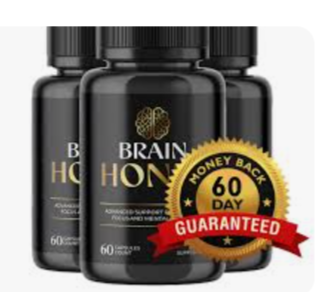
“Brein Honey” or Brain Honey is presented in ads and product pages as a natural dietary supplement designed to support brain health, mental clarity, memory, and focus. Products marketed this way often claim to combine traditional herbal extracts with honey-based ingredients for cognitive enhancement.
Official product descriptions present Brain Honey as a formula that:
- Supports memory and retention
- Enhances focus and mental clarity
- Reduces brain fog and enhances productivity
These features are marketed through long sales videos and articles that appear like news stories, often using familiar names to build trust.
How the Marketing Works:
Most people don’t encounter Brain Honey through standard health or pharmacy channels. Instead, the product is promoted using sophisticated ad tactics that include:
- Long narrative videos mimicking news broadcasts
- Fake stories about secret “honey cures” for memory loss
- Misleading claims involving celebrities or public figures
- Emotional hooks targeting families worried about memory decline
Investigations show that these “honey and memory” narratives are not based on real medical research but are part of a marketing funnel designed to capture attention and push consumers toward buying supplements sold at premium prices.
One common pattern found across similar products is that the “miracle honey recipe” is never truly explained. Viewers are shown emotional stories and then directed to purchase capsules instead of receiving any recipe.
What Independent Reviewers Say:
Realistic Checks on Claims
Independent health review sites warn that these kinds of honey-based memory supplements:
- Often use deepfake or AI-altered videos and endorsements
- Lack any clinical evidence showing they can reverse serious diseases
- Rely on emotional stories rather than transparent science
For example, investigative pieces describe how the “honey trick” narrative is a marketing story, not a clinically proven discovery, and that the claims about reversing memory loss or Alzheimer’s are unsupported.
Fake Endorsements and Deepfakes
Many of the viral Brain Honey ads include fabricated or manipulated appearances of well-known people such as Bill Gates or major TV anchors, but there is no evidence any celebrity has endorsed Brain Honey or a honey memory cure. These are created to make the videos appear more trustworthy.
Such deceptive techniques have been repeatedly exposed in reviews of similar products, where ads mimic major news outlets and use fake “expert” testimonials to drive sales.
Is There Any Science Behind It?
Honey and Brain Health
There is some legitimate scientific interest in honey and cognition. A review published in Frontiers in Aging Neuroscience suggests that honey’s natural antioxidants may have potential benefits for general brain health.
However:
- This research does not show that honey can reverse Alzheimer’s or cure dementia
- There’s no credible evidence that any honey-based recipe can produce dramatic memory restoration
- Most cognitive supplements claim effects that go far beyond what clinical studies support
So while honey and certain herbal ingredients may be part of a healthy diet, they are not miracle cures.
Official Product Claims vs. Reality:
Official Brain Honey supplement sites often describe the product as:
- Manufactured in FDA-registered or GMP-certified facilities
- Made from natural, brain-supporting ingredients
- Designed to be safe with daily use
For example, one Brain Honey page describes memory enhancement, improved focus, and cognitive clarity through natural plant extracts and minerals.
However, important disclaimers note:
- The product is not intended to diagnose, treat, cure, or prevent disease
- The claims have not been evaluated by the FDA
- Results vary and medical consultation is advised before use
These disclaimers apply to most dietary supplements and mean that any cognitive benefit is not medically guaranteed.
Red Flags You Should Know:
When evaluating Brain Honey or similar memory supplements, consider these warning signs:
1. Fake News-Style Advertising
Ads that mimic major media sites (CNN, NBC, etc.) are usually just sales pages, not actual news coverage.
2. Deepfake or Manipulated Videos
Videos featuring celebrities or doctors promoting the product are not authentic endorsements.
3. Unsupported Medical Claims
Promises of reversing serious conditions like Alzheimer’s lack scientific backing and should be treated with skepticism.
4. Lack of Verifiable Reviews
Positive testimonials are often on the product’s own site and may not be independently verified.
5. Hard Sell and Urgency
Countdown timers, limited-time pricing, and “secret” access language are typical of aggressive marketing rather than transparent product presentation.
Can Brain Honey Help Your Brain?
Possible Mild Benefits
Some individuals may experience general support from ingredients used in brain health supplements. These effects are mild and related to overall wellness, not dramatic cures.
What It Will Not Do
- Reverse Alzheimer’s disease
- Restore significant memory loss
- Replace medical treatments or therapy
Any supplement claiming to do these should be met with healthy skepticism.
Safer Approaches to Cognitive Health:
If you are concerned about memory, focus, or brain health, consider:
- Discussing concerns with a healthcare provider
- Maintaining a balanced diet rich in omega-3s, antioxidants, and whole foods
- Getting enough sleep and regular exercise
- Engaging in mental activities like reading or puzzles
Evidence supports lifestyle and medical approaches far more reliably than unproven supplements.
Final Verdict: Should You Buy Brein Honey?
Based on the evidence:
- Brein Honey (or Brain Honey) marketing is built on misleading strategies
- There is a lack of clinical evidence backing dramatic cognitive claims
- Independent analysis categorizes similar products as deceptive marketing funnels
If you are considering purchasing this product, proceed with caution and prioritize verified scientific data and medical advice over emotional advertising.
In most cases, the safest choice is to avoid unproven supplements that make unrealistic health promises.
Read our complete product reviews here to know more about scam products.