
The “NC Quick Pass Formal Notice of Delinquency” text message scam is a phishing attempt designed to impersonate North Carolina’s toll collection system. It falls under a broader category of SMS phishing scams (smishing) that target drivers by fabricating unpaid toll violations and pushing them into making fake payments.
This guide breaks down how the scam works, how to verify legitimacy, and how to protect your financial and personal data.
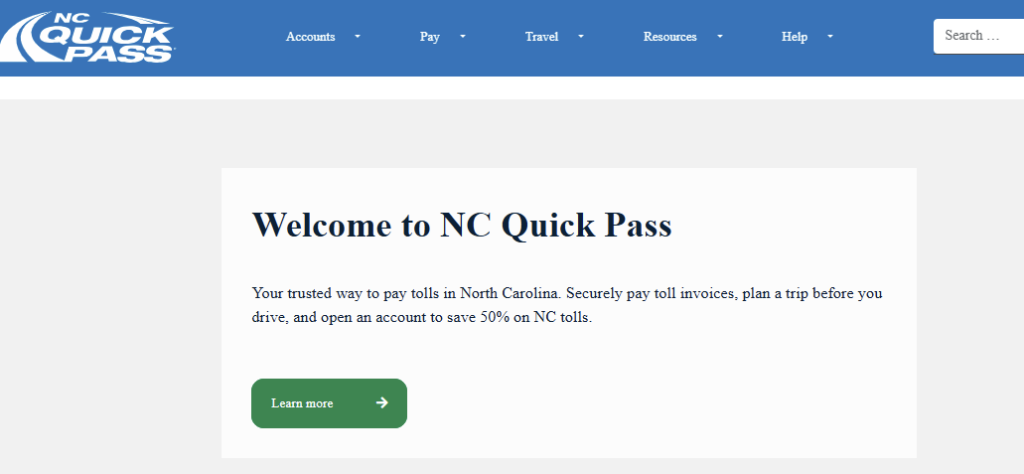
What Is the NC Quick Pass Delinquency Text Scam?
This scam uses fraudulent SMS messages claiming you owe unpaid toll fees. The message typically includes:
- Formal notice of delinquency wording
- Alleged unpaid toll balance
- Final warning or legal consequences
- A link to “pay immediately”
The goal is to create panic so users click without verifying.
Official toll systems do not operate this way. NC Quick Pass only handles payments through secure, verified platforms.
Why This Scam Is Fake
North Carolina transportation authorities have clarified that legitimate toll notices do not arrive through random SMS payment links.
Key red flags include:
- Unknown or foreign sender numbers
- Links not using ncquickpass.com domains
- Threat-based language like “final notice” or “urgent action required”
- No specific toll transaction details
- Pressure to act immediately
For official verification, always use the official NC Quick Pass site:
https://www.ncquickpass.com
How the Scam Works (Step-by-Step Breakdown)
This scam is built on psychological manipulation rather than technical hacking:
- A fake toll violation message is sent
- The message creates urgency and fear
- A payment link is provided
- Victims are redirected to a counterfeit website
- Personal and financial data is collected
The structure is designed to bypass critical thinking under pressure.
What Happens If You Click the Link
Clicking the link can expose users to serious risks:
- Credit or debit card theft
- Identity information harvesting
- Fake checkout pages mimicking official toll portals
- Malware or tracking scripts in some cases
Once data is submitted, it may be used for unauthorized transactions or identity fraud.
How to Identify Fake NC Quick Pass Messages
You can quickly detect these scams by checking for:
- Unexpected toll payment demands via SMS
- Suspicious or shortened URLs
- No account or invoice reference
- Urgency-driven language
- Sender not linked to official toll systems
Official domains always end in verified government or NC Quick Pass URLs.
Verified Official Resources
Use these trusted sources for verification and safety checks:
- NC Quick Pass Official Site: https://www.ncquickpass.com
- NC Department of Transportation Alerts: https://www.ncdot.gov
- Federal Trade Commission Scam Alerts: https://www.ftc.gov/scams
- FBI Internet Crime Complaint Center (IC3): https://www.ic3.gov
These are the only reliable channels for checking toll legitimacy or reporting fraud.
What You Should Do If You Receive the Message
If you receive a suspicious “delinquency” text:
- Do not click any links
- Do not reply to the message
- Delete it immediately
- Block the sender number
- Report it to IC3 at https://www.ic3.gov
If you are unsure about toll charges, always log in manually through the official website instead of using any link in the message.
How to Protect Yourself From Toll Scams
Practical prevention strategies:
- Never trust unsolicited SMS payment requests
- Always type official URLs manually
- Bookmark legitimate toll portals
- Enable spam filtering on your mobile device
- Double-check urgent financial messages independently
Cybersecurity agencies consistently warn that urgency is the biggest manipulation tool used in scams.
Frequently Asked Questions (FAQ)
Is the NC Quick Pass delinquency text message real?
No. It is a phishing scam impersonating toll authorities to trick users into paying fake charges.
Does NC Quick Pass send payment requests by text?
No. Official communications are handled through secure portals and verified accounts, not random SMS links.
What should I do if I clicked the link?
Do not enter any information. If you already did, contact your bank immediately, monitor transactions, and report the incident to IC3.
How do I verify real toll charges?
Always log in directly at https://www.ncquickpass.com or contact official customer support.
Why do these scam messages look convincing?
Scammers use official branding, urgency language, and fear tactics to mimic legitimate government communication.
Can this scam steal money automatically?
Not directly. It requires user input, such as entering card details on fake websites.
Are these scams limited to North Carolina?
No. Similar toll smishing scams have been reported across multiple U.S. states.
What is the safest response?
Ignore, delete, and block. Never interact with links or reply to the message.
Final Verdict
The NC Quick Pass Formal Notice of Delinquency text scam is a deceptive phishing campaign engineered to exploit urgency and authority bias. It is not connected to any official toll enforcement system.
The safest approach is simple and non-negotiable: verify independently, never click unknown links, and treat unsolicited payment demands as fraudulent by default.
Related Scam Alerts and Review
- ReliveX Adaptive Correction System Review
- How to Remove Nkw-protect.pro Pop-ups
- Marsotex.com Review (2026)
- Glyco Harmony Drops Supplement Review 2026
- Dalesi_Corp PayPal Scam Review
