Introduction:
KONEJO Batana Oil is a hair-care product that has attracted attention among consumers interested in batana oil and plant-based hair treatments. Batana oil is traditionally associated with Honduras and has become increasingly popular in modern hair-care products.
KONEJO is marketed as a batana-based treatment that can be incorporated into a hair-care routine. Available descriptions indicate that the product has a thicker consistency than many conventional liquid hair oils.
As interest in batana oil continues to grow, consumers may have questions about what KONEJO contains, how it is used, whether it can help dry or frizzy hair, and what can realistically be expected from the product.
This KONEJO Batana Oil review examines these points in a neutral and informative way. It also looks at customer feedback, pricing considerations, potential advantages and disadvantages, and the evidence surrounding claims about hair growth.
What Is KONEJO Batana Oil?
KONEJO Batana Oil is a batana-based hair-care treatment designed to be used as part of a personal hair-care routine.
Batana oil is commonly associated with hair conditioning and moisturizing. Products containing the ingredient are often marketed toward people looking to improve the appearance, softness, and manageability of their hair.
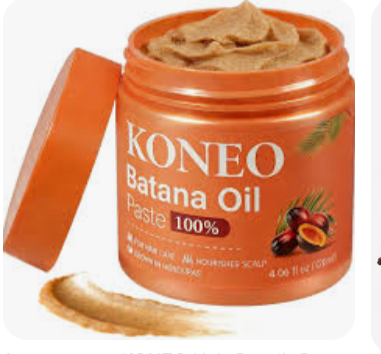
KONEJO has been described as having a relatively thick or buttery texture. This may make it different from lightweight oils that are designed primarily for finishing or styling.
The product may be of interest to people who prefer richer hair treatments, particularly those with dry or textured hair.
What Is Batana Oil?
Batana oil is traditionally associated with the Mosquitia region of Honduras and is derived from the American palm, Elaeis oleifera.
It has a long history of traditional use in hair and skin care.
Today, batana oil is commonly marketed for cosmetic purposes, including:
- Hair conditioning
- Moisturizing
- Improving hair softness
- Supporting hair manageability
- Reducing the appearance of dryness
- Adding a smoother appearance to the hair
Batana oil has also become associated with online hair-growth discussions.
However, consumers should distinguish between traditional use, cosmetic benefits, customer testimonials, and scientifically established medical benefits.
Current evidence does not establish batana oil as a proven treatment for hair loss or hair regrowth.
For readers interested in additional information, Healthline’s article on batana oil and hair loss provides further discussion of the available evidence.
KONEJO Batana Oil Ingredients:
Ingredient information is one of the most important factors to consider when evaluating any cosmetic product.
Available product descriptions present KONEJO as a batana-based product and make claims regarding its purity and sourcing.
Consumers should nevertheless check the current product packaging and official ingredient information before purchasing because formulations, labeling, and product descriptions can change.
When evaluating the product, shoppers may want to look for information about:
- Complete ingredients
- Source of the batana oil
- Country of origin
- Processing method
- Added fragrance
- Additional oils
- Preservatives
- Manufacturer information
A product description is useful, but it should not automatically be considered independent verification of every claim.
KONEJO Batana Oil Texture:
One of the characteristics frequently associated with KONEJO is its thicker consistency.
Rather than resembling a thin, liquid oil, the product has been described as having a buttery or paste-like texture.
This may be particularly appealing to people who prefer richer conditioning products.
Consumers who have never used a product with this consistency may need to warm a small amount between their fingers before applying it.
Using a modest amount initially can also help determine how the product interacts with the hair.
How Does KONEJO Batana Oil Work?
KONEJO is primarily intended as a cosmetic hair-conditioning product.
Hair oils can coat the surface of the hair and help improve its feel and appearance. Depending on the individual, this may make dry strands feel smoother and easier to manage.
The outcome can vary based on:
- Hair texture
- Hair thickness
- Hair porosity
- Existing hair condition
- Amount of product used
- Frequency of use
- Washing routine
- Other hair-care products
For this reason, results reported by one customer should not be interpreted as guaranteed results for every user.
How to Use KONEJO Batana Oil:
The manufacturer’s current instructions should always be followed.
For a typical hair-conditioning routine, users may apply a small amount of product to the hair and distribute it evenly.
Because KONEJO has a richer consistency, beginning with a small quantity may be useful.
A general routine may involve:
- Take a small amount of product.
- Warm it between your fingers if necessary.
- Apply it evenly through the hair.
- Follow the manufacturer’s directions regarding scalp application.
- Leave it on for the recommended period.
- Wash the hair thoroughly if the product is intended as a pre-wash treatment.
- Continue with your usual hair-care routine.
The appropriate amount and frequency can vary considerably between individuals.
KONEJO Batana Oil for Dry Hair
Dry hair is one of the areas where a conditioning oil may be useful.
Some customer feedback describes KONEJO as helping hair feel softer and more manageable.
Hair oils can provide lubrication and may improve the cosmetic appearance of dry strands.
However, dryness can have many causes, including heat styling, chemical processing, environmental exposure, frequent washing, and individual hair characteristics.
For that reason, KONEJO should be viewed as one possible component of a broader hair-care routine rather than a universal solution for dry hair.
KONEJO Batana Oil for Frizzy Hair
Frizz can be influenced by humidity, dryness, hair texture, and damage.
A conditioning product may help improve the appearance and manageability of frizzy hair.
Because KONEJO has a relatively rich consistency, it may be more suitable for people who prefer heavier conditioning products.
However, applying too much can make some hair types appear oily or weighed down.
Starting with a small quantity can help users determine how much works best for their hair.
KONEJO Batana Oil for Curly and Coily Hair
Curly and coily hair can have different conditioning requirements depending on the individual’s hair characteristics.
Some people with textured hair prefer richer oils because they can provide a more substantial conditioning experience.
KONEJO may therefore be considered as part of a personal hair-care routine.
However, there is no single oil that works equally well for every curly or coily hair type.
Hair density, strand thickness, porosity, and styling habits can all influence the result.
Does KONEJO Batana Oil Grow Hair?
Hair-growth claims deserve careful consideration.
KONEJO and other batana products may be marketed in connection with hair growth, but there is currently insufficient clinical evidence to establish batana oil as a proven hair-growth or hair-loss treatment.
This does not mean that a conditioning oil cannot make hair look healthier.
It simply means that improving the appearance or feel of existing hair is different from stimulating new hair growth.
Hair growth is influenced by many factors, including genetics, age, hormonal changes, nutrition, overall health, and hair-care practices.
For additional information, WebMD’s discussion of batana oil and hair provides further context about the limited research surrounding hair-growth claims.
KONEJO Batana Oil and Hair Breakage
Hair breakage is different from hair loss that originates at the follicle.
Dry or fragile hair can break more easily, making it difficult to retain length.
A conditioning product may help hair feel smoother and easier to handle, which can be useful as part of a gentle hair-care routine.
However, KONEJO should not be described as a guaranteed treatment for hair breakage.
Reducing excessive heat, avoiding unnecessary manipulation, maintaining appropriate conditioning, and using suitable hair-care practices can also contribute to better hair maintenance.
KONEJO Batana Oil Customer Reviews:
Customer reviews can provide useful insight into individual experiences, but they should be interpreted carefully.
Some available feedback describes positive experiences involving softness, manageability, and conditioning.
Other users may have different experiences based on their hair type, application method, expectations, or sensitivity.
Positive Customer Feedback
Reported positive experiences include:
- Hair feeling softer
- Improved manageability
- A smoother appearance
- Reduced appearance of dryness
- Enjoyment of the richer texture
- Use as a conditioning treatment
These comments represent individual experiences rather than guaranteed outcomes.
Customer Concerns
Some consumers may find the product too rich for their hair type.
Others may have questions about sourcing, ingredients, texture, or pricing.
Individual experiences with cosmetic products can vary, so prospective buyers should consider a range of information before making a decision.
Potential KONEJO Batana Oil Benefits:
Based on its intended cosmetic use, KONEJO may offer potential benefits such as:
Conditioning
The product’s rich texture may help dry hair feel softer.
Improved Manageability
Conditioned hair may be easier to comb, style, or handle.
Smoother Appearance
Hair that feels properly conditioned may have a smoother appearance.
Rich Treatment
Consumers who prefer thicker hair treatments may find the texture appealing.
It is important to describe these as potential cosmetic benefits rather than guaranteed results.
Potential Drawbacks:
KONEJO may not be suitable for everyone.
Potential considerations include:
- The thick consistency may not appeal to people who prefer lightweight oils.
- Fine hair may become weighed down if too much product is used.
- Individual results can vary.
- Evidence supporting hair-growth claims is limited.
- Consumers may want additional information about sourcing and formulation.
- Prices may vary between sellers.
KONEJO Batana Oil Pros and Cons:
Pros:
- Rich conditioning texture
- May be useful for dry hair
- Some customers report softer-feeling hair
- May improve manageability
- Suitable for people interested in batana-based hair care
- Can be incorporated into different hair-care routines
Cons:
- May feel heavy on some hair types
- Requires careful application to avoid excessive buildup
- Individual experiences vary
- Hair-growth claims are not strongly supported by clinical evidence
- Consumers should review current ingredient and sourcing information
- Pricing can vary by retailer
Is KONEJO Batana Oil Safe?
Individual reactions to cosmetic products can vary.
Consumers should follow the manufacturer’s directions and review the ingredient list before use.
If you have sensitive skin or a sensitive scalp, consider testing a small amount before applying the product more extensively.
Discontinue use if you experience persistent irritation or an unexpected reaction.
Anyone experiencing ongoing scalp problems or unexplained hair loss should consider consulting an appropriately qualified healthcare professional.
Is KONEJO Batana Oil Legit?
KONEJO Batana Oil is presented as a batana-based hair-care product and has received consumer attention online.
However, evaluating a product’s legitimacy involves more than looking at positive reviews.
Consumers should consider:
- Product labeling
- Ingredient information
- Manufacturer details
- Retailer reputation
- Customer-service information
- Shipping policies
- Return policies
- Available independent information
It is also useful to distinguish between customer testimonials and scientifically established evidence.
Is KONEJO Batana Oil a Scam?
There is not enough evidence to characterize KONEJO Batana Oil as a scam.
However, consumers should remain cautious about exaggerated claims surrounding hair-growth products generally.
Statements promising guaranteed, dramatic, or unusually rapid hair growth should be evaluated carefully.
The available medical information does not establish batana oil as a proven treatment for hair loss.
Therefore, KONEJO is better considered as a cosmetic hair-care product rather than a medically established hair-growth treatment.
KONEJO Batana Oil Price:
The price of KONEJO Batana Oil can vary depending on the retailer, package size, location, shipping costs, and promotional offers.
Because online prices can change, shoppers should verify the current price before purchasing.
When comparing KONEJO with other batana oils, consider the total amount of product included rather than looking only at the advertised price.
It can be helpful to compare the price per ounce or milliliter.
Consumers should also consider shipping costs and the retailer’s return policy when determining the overall value.
Who Might Consider KONEJO Batana Oil?
KONEJO may be of interest to consumers who:
- Prefer richer hair treatments
- Want to experiment with batana oil
- Have dry or textured hair
- Want a conditioning product
- Prefer plant-based cosmetic ingredients
- Are interested in adding an oil treatment to their existing routine
It may be less appealing to people who prefer lightweight, fast-absorbing hair products.
Who Should Be More Cautious?
Consumers should exercise additional caution if they are purchasing the product primarily because of claims about treating hair loss.
Batana oil has not been established as a medical treatment for hair loss.
People experiencing sudden, persistent, or significant hair loss may benefit more from identifying the underlying cause with the help of a qualified healthcare professional.
Things to Consider Before Buying KONEJO Batana Oil:
Review the Ingredient List
Check the latest packaging or official product information.
Consider Your Hair Type
A rich oil may behave differently on fine, straight, curly, or coily hair.
Start Small
Using a small amount initially can help determine whether the texture works for your hair.
Compare Prices
Consider product quantity, shipping charges, and price per unit.
Review the Seller’s Policies
Look at the return, refund, shipping, and customer-service policies before ordering.
Keep Hair-Growth Expectations Realistic
A cosmetic oil may condition hair without stimulating new growth.
Consider Professional Advice When Appropriate
Persistent hair loss or scalp concerns may require professional evaluation.
Final Verdict:
KONEJO Batana Oil is a batana-based hair-care product that may appeal to consumers looking for a rich conditioning treatment.
Available customer feedback includes reports of softer-feeling and more manageable hair, although individual experiences can vary.
The product’s thick consistency may be an advantage for people who prefer richer treatments, while those with fine hair may need to use a smaller amount.
The most important consideration is the distinction between hair conditioning and hair growth. Although batana oil is frequently promoted online for hair growth, current evidence is not sufficient to establish it as a proven treatment for hair loss or hair regrowth.
Therefore, consumers interested in KONEJO may wish to consider it primarily as a cosmetic conditioning product rather than purchasing it with the expectation of guaranteed hair-growth results.
Before purchasing, review the current ingredients, product quantity, price, seller information, and return policies.
Frequently Asked Questions:
What is KONEJO Batana Oil?
KONEJO Batana Oil is a batana-based hair-care treatment marketed for use as part of a personal hair-care routine.
What is batana oil?
Batana oil is a plant-derived oil traditionally associated with Honduras and the American palm. It is commonly used in cosmetic hair and skin-care products.
Does KONEJO Batana Oil grow hair?
There is currently insufficient clinical evidence to establish KONEJO Batana Oil as a proven treatment for hair growth or hair loss.
Can KONEJO Batana Oil help dry hair?
It may help dry hair feel softer and more conditioned. Individual results depend on hair type and how the product is used.
Can KONEJO Batana Oil help with frizz?
A conditioning oil may help improve the appearance and manageability of frizzy hair, although results vary.
Is KONEJO Batana Oil suitable for curly hair?
It may be suitable for some curly hair routines, especially for people who prefer richer conditioning products.
Can KONEJO Batana Oil be used on coily hair?
It may be incorporated into a coily-hair routine depending on individual hair characteristics and preferences.
Is KONEJO Batana Oil greasy?
The product has a relatively rich texture. Applying too much may make some hair types feel heavy or oily.
How should KONEJO Batana Oil be used?
Follow the manufacturer’s current instructions. Start with a small amount and adjust according to how your hair responds.
Is KONEJO Batana Oil safe?
Individual reactions vary. Review the ingredients, follow the directions, and discontinue use if irritation occurs.
Is KONEJO Batana Oil worth buying?
It may be worth considering for consumers interested in a rich conditioning treatment. However, shoppers should maintain realistic expectations about hair-growth claims.
Conclusion:
KONEJO Batana Oil is a hair-care product aimed at consumers interested in batana oil and richer conditioning treatments.
Its reported texture and conditioning properties may make it suitable for some people with dry, curly, coily, or textured hair. Customer experiences vary, so prospective buyers should consider several sources of information before purchasing.
Most importantly, consumers should avoid confusing cosmetic conditioning with proven hair regrowth. Current evidence does not establish batana oil as a clinically proven treatment for hair loss.
If your primary goal is improving the feel and appearance of dry hair, KONEJO may be worth considering as one option within a broader hair-care routine. If your primary concern is persistent hair loss, it is more appropriate to seek professional advice about possible causes and evidence-based treatment options.
Read our complete product reviews here to know more about scam products
Disclaimer:
This article is intended for general informational purposes only and does not constitute medical, dermatological, or professional hair-care advice. Product information, ingredients, prices, availability, customer feedback, and marketing claims may change. Individual results vary, and no specific cosmetic or hair-growth outcome is guaranteed. Always review the current product label and manufacturer’s instructions before use. If you experience persistent hair loss, scalp irritation, or other concerning symptoms, consult a qualified healthcare professional or dermatologist.