
As temperatures drop, homeowners search for effective ways to stop pipes from freezing and avoid costly winter damage. One device gaining attention is the Electromagnetic Antifreeze Device, a plug-in gadget claiming to use electromagnetic waves to warm pipes and prevent freezing. With bold promises of energy efficiency and high performance, many consumers wonder whether this device truly works.
This SEO-optimized review breaks down the device’s claims, scientific basis, real performance, alternatives that actually work, scam-safety tips, FAQs, and a comparison table to help you make an informed decision.
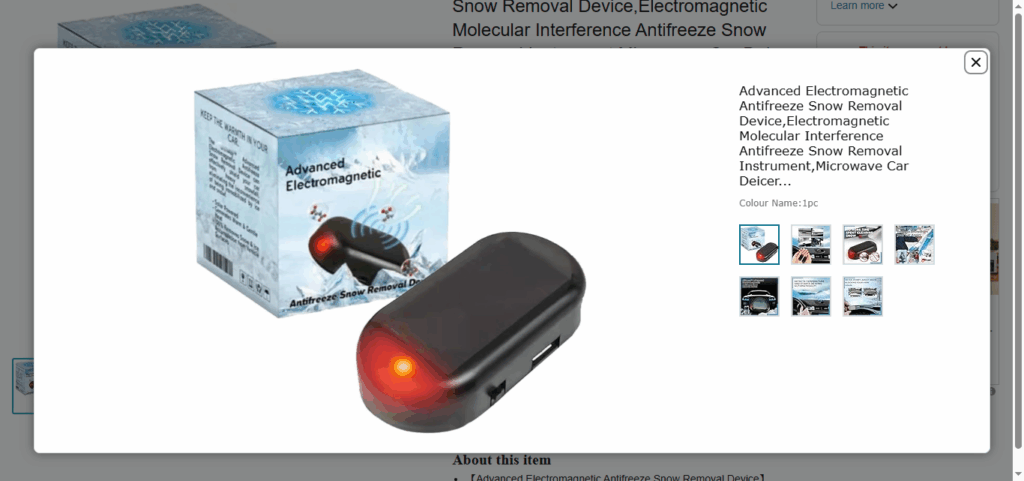
What Is the Electromagnetic Antifreeze Device?
The Electromagnetic Antifreeze Device is marketed as a small, low-power gadget that prevents pipes from freezing by emitting electromagnetic waves. Sellers claim it:
- Heats pipes through walls or floors
- Uses extremely low energy
- Protects homes during winter
- Circulates warmth evenly
These claims sound impressive—but are they realistic?
How the Device Claims to Work
According to promotional materials, the device:
- Emits electromagnetic waves
- Transfers heat through objects and pipe systems
- Prevents freezing without using traditional heating
- Saves energy compared to conventional heaters
However, no proven technology supports low-watt electromagnetic devices heating pipes or rooms through walls. Electromagnetic heating exists in industrial settings, but it requires high power, not a low-power plug-in gadget.
Does the Electromagnetic Antifreeze Device Really Work?
Based on research, customer feedback, and scientific evaluation, this device does not provide reliable freeze protection. Here’s why:
1. No Scientific Basis
Electromagnetic waves cannot warm pipes or air spaces significantly at low wattage. Real antifreeze systems use resistive heating or insulation.
2. Extremely Low Power
Most listings show devices consuming 5–20 watts. This is far below what is needed to warm an area or pipe in freezing conditions.
3. No Verified Certifications
Most units lack UL, CE, FCC, or RoHS certification, which raises safety concerns.
4. Mystery Manufacturers
Many devices are sold by temporary online stores that vanish after winter.
5. Negative Customer Feedback
Buyers report that the device slightly warms itself, but does not warm pipes or rooms.
Is the Electromagnetic Antifreeze Device a Scam?
While the word “scam” depends on intent, several red flags suggest this product is misleading:
- Exaggerated claims
- No scientific testing
- No manufacturer transparency
- Unrealistic promises of “heating through walls”
- No warranty or poor return policies
Consumers should be cautious when purchasing winter gadgets from new or unverified stores.
What Actually Works for Preventing Frozen Pipes?
Here are real, proven solutions supported by experts:
Pipe Insulation
A low-cost method using foam or fiberglass sleeves.
Guide: https://www.snugg.com/blog/how-to-insulate-pipes-around-your-home?utm_source=chatgpt.com
Electric Heat Tape or Heat Cable
The most effective solution for exposed pipes.
Overview: https://extension.okstate.edu/programs/emergency-and-disaster-preparedness/winter/take-steps-to-prevent-water-pipes-from-freezing.html?utm_source=chatgpt.com
Keeping Indoor Temperature Warm
Maintain a consistent thermostat setting and open cabinets around pipes.
Letting Faucets Drip
Running water prevents freezing.
Red Cross guide: https://www.redcross.org/get-help/how-to-prepare-for-emergencies/types-of-emergencies/winter-storm/frozen-pipes.html?srsltid=AfmBOoosu5I79IiiMfiJat9E0PxiQLKyCbPeA67IWdlPqRKHfDFH3hP4&utm_source=chatgpt.com
Sealing Drafts & Insulating Home
Energy.gov provides detailed winterization advice:
https://www.energy.gov/energysaver/articles/turn-down-temperature-dont-let-your-pipes-freeze?utm_source=chatgpt.com
Pros and Cons of the Electromagnetic Antifreeze Device
Pros
- Affordable
- Compact and portable
- Easy to use
Cons
- No scientific proof
- Cannot heat pipes or rooms
- Low-quality build and uncertified
- Often sold by temporary vendors
- May give a false sense of safety
Scam-Safety Tips for Devices Like This
To avoid winter gadget scams:
1. Check Certifications
Look for UL, CE, FCC, or RoHS marks.
2. Avoid Unrealistic Claims
If a device promises “heat through walls” or “whole-house antifreeze using 5 watts,” be cautious.
3. Verify the Seller
Search for customer reviews, company history, and contact information.
4. Confirm Power Ratings
Under 20 watts cannot heat a pipe or room.
5. Use Secure Payment Methods
Avoid wire transfers and unknown payment processors.
6. Stick to Proven Technology
Use insulation, heat tape, or certified heaters.
Comparison Table: Electromagnetic Antifreeze Device vs Real Alternatives
| Feature | Electromagnetic Antifreeze Device | Pipe Insulation | Heat Tape / Heat Cable | Certified Space Heater |
|---|---|---|---|---|
| Effectiveness | Very Low | High | Very High | Medium–High |
| Power Consumption | 5–20 watts | None | Moderate | Moderate–High |
| Science-Based? | No | Yes | Yes | Yes |
| Works Below Freezing? | No evidence | Yes | Yes | Yes |
| Safety Certifications | Usually none | Not required | UL/CE available | UL/CE available |
| Installation Difficulty | Very easy | Easy | Moderate | Very easy |
| Cost | Low | Very low | Moderate | Moderate |
| Best Use Case | Not recommended | Everyday protection | Severe cold | Heating small rooms |
| Reliability | Poor | High | Very high | High |
Frequently Asked Questions (FAQs)
1. Can this device prevent frozen pipes?
No. There is no real-world proof that it provides measurable freeze protection.
2. What technology does it use?
It claims to use electromagnetic waves, but the explanation is vague and unsupported.
3. Is the device safe?
Safety is questionable due to the lack of certifications.
4. Should I rely on it during winter?
No. Use proven and certified heating or insulation solutions.
5. What are better alternatives?
Pipe insulation, heat tape, space heaters, and proper home winterization.
6. Why are so many versions of this device online?
Many are sold by temporary stores that rebrand the same low-quality product.
Final Verdict
The Electromagnetic Antifreeze Device is not recommended. It is based on unproven claims, lacks scientific support, and fails to provide real freeze protection. For true home safety during winter, invest in proven methods such as pipe insulation, heat tape, certified heaters, and proper winterization techniques.
Related Scam Alerts
- Gluco Force Drops Review – Real or Fake?
- Qinux Heatfy Heater Review
- Vitality MagicPro 2.0 Review
- Ozemfit Weight Loss Supplement Reviews
- Qinux ClimaHeat Pro Heater Review
- Reka Fitness Treadmill Review
- Nerve Restore Supplement Reviews
- Burn Blend Weight Loss Supplement Reviews – 2025 Update
- GLP-1 Patches Scam – Legit Weight Loss or Fake Ads?
- Luna Heater Reviews – Real Winter Gadget or Scam Offer?
- Gluco Control Scam Ads Exposed
- Gloritouch.com Review
- MineOne Pro Bitcoin Miner Review – Investment or Trap?
- At Home Store Closing Sale Scam – How Fake Discounts Trick You
- ProZenith Scam – Is the “Japanese Salt Trick” Weight Loss Supplement Legit or Fraud?
