
Welcome to our in‑depth MemoPezil review. If you’ve come across ads or social posts claiming this supplement can dramatically improve memory or even reverse cognitive decline, you’re not alone. But what’s real, and what’s marketing hype? In this article, we separate fact from fiction, explain how MemoPezil is marketed, evaluate the evidence, and offer safe alternatives for brain health.
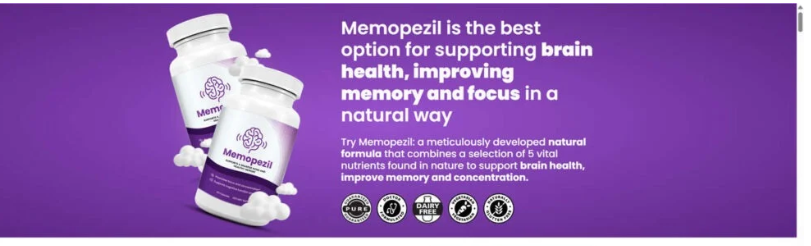
What Is MemoPezil? Overview and Claims
MemoPezil is advertised as an over‑the‑counter memory and brain‑health supplement, often described as a “Golden Honey Tonic” that supports memory, mental clarity, and cognitive performance. Some ads even use phrases suggesting the formula can help with age‑related memory decline or Alzheimer’s. However, these claims are unverified and unsupported by scientific research.
According to reports, the product page includes testimonials and dramatic stories of recovery — but these are not backed by peer‑reviewed clinical trials.
How MemoPezil Is Marketed: Fake News‑Style Tactics
The MemoPezil marketing campaign uses sophisticated psychological triggers designed to influence buyers:
- Sponsored social media ads mimicking professional health news.
- Fake headlines presented as if from major outlets like CNN or ABC.
- Fabricated endorsements from well‑known individuals and institutions.
- Urgency tactics like countdown timers and low‑stock messages.
These are typical elements found in online scam‑style promotions rather than legitimate medical product launches.
MemoPezil’s Claims vs. Scientific Reality
No Clinical Evidence for Memory Enhancement
Despite bold wording about “reversing memory loss” or supporting Alzheimer’s, MemoPezil has no verifiable clinical studies proving its effectiveness. Doctors and health authorities emphasize that no pill currently on the market can cure or reverse Alzheimer’s disease.
Research shows that while some ingredients commonly found in memory supplements — like bacopa or L‑theanine — may have mild cognitive effects, these benefits are modest and do not translate to reversing severe neurological conditions.
Name Similarity to Prescription Drugs
The name “MemoPezil” closely resembles donepezil — a real prescription medication used in Alzheimer’s treatment — which can mislead people into thinking they’re buying a drug‑level treatment when they are not.
Are Ingredients Effective? What Research Says
Many brain supplements include natural compounds believed to support cognition, memory, or focus. While these may offer general wellness support, they are not proven cures for memory loss.
Below are examples of ingredients often discussed in cognitive health:
Bacopa monnieri
Often used in traditional medicine, some studies suggest bacopa may support memory and attention after consistent use over weeks.
L‑Theanine
Found in green tea, L‑theanine may help with focus, calm, and alertness. Research indicates it can improve attention and mental performance in some contexts.
Other Herbs
Herbs such as ginkgo biloba have been studied for potential cognitive benefits, though research remains mixed and insufficient to claim therapeutic effects.
Important: Even when individual ingredients show promise, the effects usually require standardized dosing and long‑term use — not the rapid changes some MemoPezil ads promise.
Red Flags: Scam Indicators and Consumer Concerns
Here are signs that MemoPezil’s marketing should be treated with caution:
1. Fake Media Logos and Endorsements
The presence of recognizable media logos (e.g., “CNN”) or celebrity names without official links to those sources is a strong warning signal.
2. Emotional Storytelling Over Scientific Facts
Narratives about dramatic recovery or “secret discoveries” replace clinical data. This is a common tactic to bypass critical evaluation.
3. Checkout Through Third‑Party Sites
Checkout pages on domains unrelated to the main brand — such as CartPanda sites — raise additional trust and security concerns.
4. Ambiguous Refund Policies
Many users of products marketed in similar ways report poor refund support or ignored requests, despite advertised guarantees.
Safe Alternatives for Brain Health
If your goal is memory support or cognitive wellness, consider approaches with stronger scientific support:
Lifestyle Measures
- Quality sleep
- Regular physical activity
- Mental stimulation (e.g., reading, puzzles)
- Balanced diet rich in fruits, vegetables, and omega‑3s
Evidence‑Backed Supplements (with Caution)
Supplements like citicoline and standardized bacopa extract are among those studied for brain health — but always consult a healthcare provider before starting any regimen.
MemoPezil FAQ
Q: Is MemoPezil FDA‑approved?
No. MemoPezil is a dietary supplement and not approved or evaluated by the FDA to treat memory disorders or neurological conditions.
Q: Can MemoPezil cure Alzheimer’s disease?
There is no evidence that MemoPezil can cure or reverse Alzheimer’s. Claims suggesting this are misleading.
Q: Are the endorsements on the MemoPezil site real?
No. Investigations have found that endorsements, celebrity names, and media logos used in promotions are not verifiable and are likely fabricated to create false credibility.
Q: What should I do if I already bought MemoPezil?
Manage expectations — the product is unlikely to have dramatic effects — and be cautious about recurring charges or refund requests. Consider contacting your payment provider if you experience issues.
Final Verdict — Is MemoPezil Worth Buying?
No. Based on available evidence, MemoPezil’s marketing strategy more closely resembles a deceptive online supplement scheme than a legitimate cognitive health solution. Its claims are unverified, its endorsements appear fabricated, and reputable scientific bodies do not support its effects.
If you are genuinely concerned about memory or cognitive decline, speak with a qualified healthcare provider. Lifestyle choices and evidence‑based interventions remain far more effective than unproven supplements marketed through false urgency and fake news pages.
Related Scam Alerts and Reviews
- How to Remove Wealthivo.co.in Pop‑Ups on Any Browser or Device
- Bunodex.com Crypto Scam Exposed
- TryGamb.cc Crypto Scam Exposed
- Vinni Shopping Review
- Zoometra Glasses Review
