
Is ProZenith a real weight loss solution or a scam? Read verified reviews, scam alerts, and expert tips on staying safe from fake supplements. Learn how to get your money back if you were scammed.
Introduction
If you’ve seen ads for ProZenith, you’ve probably been tempted by its promise of a “Japanese salt trick” that melts fat overnight — no exercise, no dieting, just instant results. Sounds too good to be true, right? Unfortunately, that’s because it is.
In this post, we’ll break down the ProZenith scam, expose the company’s deceptive marketing tactics, analyze real customer complaints, and share expert-backed safety tips for avoiding similar scams online.
What Is ProZenith?
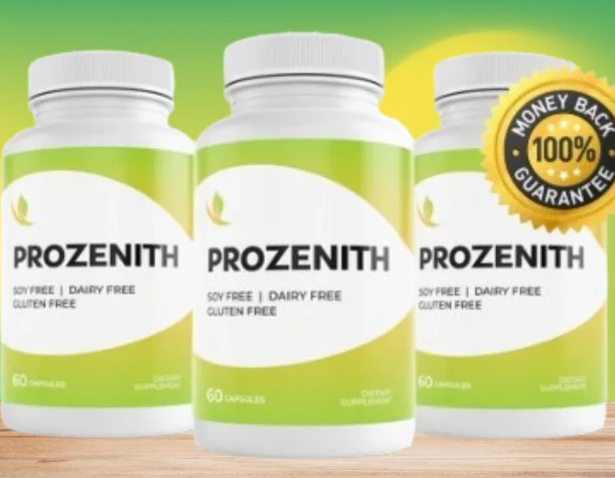
ProZenith is marketed as a natural weight loss supplement made from an “ancient Japanese pink salt formula.” The ads claim that it boosts metabolism, dissolves fat, and helps users lose weight effortlessly.
But investigations reveal that ProZenith has no scientific evidence supporting these claims. Instead, the product relies on viral advertising campaigns and fake celebrity endorsements to lure buyers.
These ads often feature edited videos of Dr. Oz or Oprah Winfrey, promoting the supplement as a “secret fat-busting formula” — even though both personalities have publicly denied endorsing such products.
How the ProZenith Scam Works
1. Misleading Weight Loss Claims
The company markets ProZenith using unverified claims like:
- “Lose 30 pounds in 30 days!”
- “Doctors are shocked by this Japanese trick!”
- “No diet or exercise required!”
These types of slogans are classic indicators of false advertising. According to the Federal Trade Commission (FTC), any product that guarantees quick fat loss without lifestyle changes is misleading and violates advertising laws.
2. Fake Endorsements and Testimonials
ProZenith’s website and ads use AI-generated faces and stolen photos to pose as “happy customers.”
Some reviews are copied from unrelated websites.
You can verify this by doing a reverse image search on Google Images.
3. Subscription Traps and Unauthorized Billing
Many users report being charged repeatedly after placing a one-time order. Once payment details are entered, buyers are enrolled in auto-billing programs without consent.
Victims also complain of receiving different products — often cheap turmeric capsules — instead of the advertised supplement.
One verified buyer stated:
“I ordered ProZenith for $49. After two weeks, I was charged $89 again with no notice. The capsules I received were just turmeric.”
4. Hidden Company Identity
The ProZenith website doesn’t list a verifiable address or business registration number. Domain searches on Whois.com show that it was created only months ago, and the registrant’s identity is hidden behind privacy protection — a major red flag.
Why ProZenith Is Unsafe
- No ingredient transparency – The label lists vague terms like “pink salt complex” and “natural extract,” with no laboratory verification.
- No FDA approval – It’s not registered in the FDA Health Fraud Product Database.
- Unknown manufacturer – The seller name changes frequently to avoid detection.
- Potential side effects – Users have reported headaches, nausea, and dizziness after consumption.
Real User Complaints and Reports
According to user feedback gathered on Trustpilot and Reddit forums, multiple buyers have called ProZenith a “bait-and-switch scam.”
Many note:
- Missing refund responses
- Fake tracking numbers
- Auto-renewal billing traps
This pattern is common among fraudulent supplement companies, where the seller operates for a few months and then disappears once bad reviews accumulate.
Tips to Stay Safe from Fake Supplement Scams
Here’s how to avoid becoming a victim of the next ProZenith-style scam:
- Do your research – Always check reviews on Trustpilot, Reddit, and BBB Scam Tracker.
- Avoid unrealistic claims – Any ad that says “no effort weight loss” or “secret trick” is a red flag.
- Verify domain information – Scam sites are often new; check their creation date on Whois.com.
- Look for contact transparency – A genuine company provides a physical address, phone number, and verified business registration.
- Pay securely – Use PayPal or credit cards that support chargebacks, never debit cards or wire transfers.
- Use official health channels – Before trying a supplement, consult your doctor or check NIH’s Dietary Supplements Office.
- Report scams promptly – File a report with the FTC or FCCPC Nigeria.
What To Do If You’ve Been Scammed by ProZenith
If you’ve already made a purchase or shared financial information with the site, act fast:
- Block your card immediately to stop further charges.
- Request a chargeback from your bank or card provider.
- Change your passwords for any accounts linked to that card.
- Document everything – keep receipts, emails, and order confirmations.
- Report the fraud:
- In the U.S., visit reportfraud.ftc.gov
- In Nigeria, file a complaint through the FCCPC portal
- In the U.K., contact Action Fraud
- Warn others online by leaving a detailed review on Trustpilot or social media.
Related Scam Alerts
- Gluco Force Drops Review – Real or Fake?
- GLP-1 Patches Scam – Legit Weight Loss or Fake Ads?
- Luna Heater Reviews – Real Winter Gadget or Scam Offer?
- MineOne Pro Bitcoin Miner Review – Investment or Trap?
- At Home Store Closing Sale Scam – How Fake Discounts Trick You
Frequently Asked Questions (FAQ)
1. Is ProZenith FDA approved?
No. ProZenith has not been tested or approved by the U.S. Food and Drug Administration (FDA).
2. What are the ingredients in ProZenith?
There’s no verified ingredient list. Users have reported the capsules contain turmeric or filler powders instead of any “pink salt formula.”
3. Can I get a refund from ProZenith?
Most customers report difficulty obtaining refunds. Contact your bank immediately for a chargeback request.
4. How can I identify a fake supplement ad?
Look for outrageous claims like “lose weight overnight” or “secret formula doctors hide.” Always verify endorsements before purchasing.
5. What should I do if I already shared my credit card information?
Notify your bank, block your card, and monitor for unauthorized transactions.
6. Are there genuine Japanese salt-based supplements?
There are no medically verified “Japanese salt” supplements that promote fat loss. The claim is purely marketing fiction.
7. Where can I report the ProZenith scam?
- In the U.S.: FTC Fraud Reporting
- In Nigeria: FCCPC.gov.ng
- Globally: ScamWatch.gov.au
Final Verdict: Is ProZenith Legit or a Scam?
After thorough investigation, there’s overwhelming evidence that ProZenith is a scam.
It uses deceptive marketing, fake celebrity endorsements, and false promises to lure unsuspecting buyers. The lack of transparency and refund reliability further confirms it’s not a trustworthy product.
Verdict: ❌ Avoid ProZenith. It’s not a legitimate supplement.
For genuine weight management, consult certified nutritionists or explore safe, scientifically backed solutions listed on the NIH Weight Control Information Network.