
Joint pain is no longer just an aging issue. It now affects athletes, office workers, and even young adults due to lifestyle stress, inflammation, and inactivity. This demand has led to a surge in joint health supplements like Joint Caps.
Joint Caps is marketed as a natural formula designed to support joint flexibility, reduce stiffness, and improve mobility. But behind the marketing claims, the real question is simple. Does it actually work or is it just another overhyped supplement funnel?
This SEO-focused review breaks everything down using available ingredient data, scientific context, and independent supplement safety standards from trusted health sources like the National Center for Complementary and Integrative Health and the Arthritis Foundation.
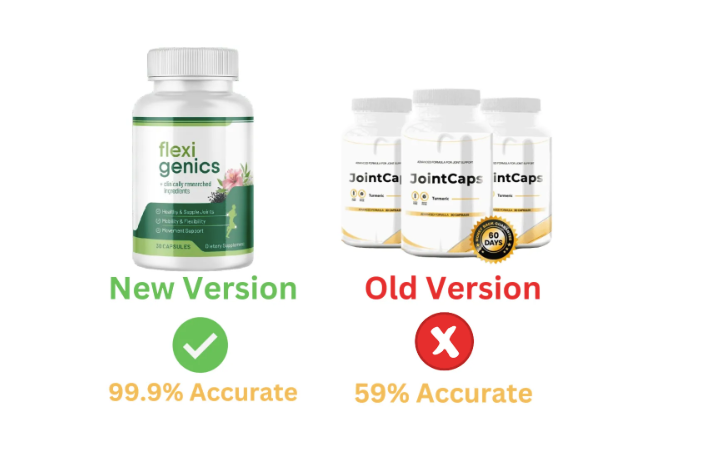
What Is Joint Caps?
Joint Caps is a dietary supplement promoted for joint health support. It is commonly sold online and claims to help with:
- Joint pain relief
- Mobility improvement
- Cartilage support
- Inflammation reduction
- Flexibility enhancement
According to its official marketing, it is manufactured in an FDA-registered facility, although this does not mean FDA approval for effectiveness or treatment claims
Reference: https://www.fda.gov/consumers/consumer-updates/fda-101-dietary-supplements
Independent review analysis suggests it follows a typical online supplement funnel model with strong promotional claims and bundled pricing strategies
Source: https://malwaretips.com/blogs/joint-caps-supplement-scam-or-legit-full-review/
How Joint Caps Claims to Work
Joint Caps is said to work by supporting synovial fluid and reducing age-related decline in joint lubrication.
Marketing claims include:
- Increasing joint lubrication
- Supporting hyaluronic acid levels
- Reducing stiffness and discomfort
- Improving joint cushioning
- Enhancing long-term mobility
However, these claims are not backed by publicly available clinical trials specific to Joint Caps as a branded formulation.
For context, synovial fluid and hyaluronic acid are scientifically recognized components of joint function
Reference: https://www.ncbi.nlm.nih.gov/books/NBK537166/
Joint Caps Ingredients Breakdown
The formula varies slightly across promotional pages, but commonly listed ingredients include:
Boswellia Serrata
Research suggests it may support inflammation control and osteoarthritis symptom relief
Source: https://www.ncbi.nlm.nih.gov/pmc/articles/PMC3767665/
Ginger Root Extract
Known for mild anti-inflammatory and antioxidant properties that may support joint comfort
Source: https://www.ncbi.nlm.nih.gov/pmc/articles/PMC3665023/
Chondroitin Sulfate
Often used for cartilage support, with mixed but moderate clinical evidence
Source: https://www.nccih.nih.gov/health/glucosamine-and-chondroitin-for-osteoarthritis
Hyaluronic Acid
Naturally found in joints and contributes to lubrication and shock absorption
Source: https://www.ncbi.nlm.nih.gov/pmc/articles/PMC4938796/
Green Tea Extract
Contains antioxidants that may help reduce oxidative stress linked to inflammation
Source: https://www.ncbi.nlm.nih.gov/pmc/articles/PMC6520897/
White Willow Bark
Contains salicin, a compound similar to aspirin with mild pain-relieving properties
Source: https://www.ncbi.nlm.nih.gov/pmc/articles/PMC6010118/
Does Joint Caps Actually Work?
There is no independent clinical study proving Joint Caps as a brand is effective.
However, some ingredients in the formula have moderate scientific backing for mild joint support.
Realistic outcomes may include:
- Slight reduction in stiffness
- Mild improvement in flexibility
- Temporary inflammation relief
But expectations must be realistic. Supplements cannot:
- Reverse arthritis
- Regrow cartilage
- Replace medical treatment
- Fix severe joint damage
According to the Arthritis Foundation, joint supplements may help symptoms but are not cures
Source: https://www.arthritis.org/health-wellness/treatment/complementary-therapies/supplements
Joint Caps Side Effects and Safety
Most ingredients are generally considered safe for healthy adults, but risks still exist.
Possible side effects include:
- Mild digestive discomfort
- Allergic reactions
- Interaction with blood thinners
- Sensitivity in people with chronic illness
The National Center for Complementary and Integrative Health warns that “natural” does not always mean risk-free
Source: https://www.nccih.nih.gov/health/supplements-and-safety
People who should be cautious include:
- Arthritis patients on medication
- Pregnant or breastfeeding women
- Individuals with kidney or liver conditions
- People taking anticoagulants
Customer Reviews and Transparency Issues
Independent reviews of Joint Caps are limited, which raises credibility concerns.
Common patterns reported across review platforms include:
- Lack of verified third-party reviews
- Heavy promotional urgency tactics
- Bundle-based pricing (3 or 6 bottles)
- Limited manufacturer transparency
Independent review breakdown
Source: https://www.ibisik.com/joint-caps-review/
Pros and Cons of Joint Caps
Pros
- Contains known joint-support ingredients
- Easy capsule format
- May support mild joint discomfort
- Natural ingredient positioning
Cons
- No clinical trials on the full formula
- Weak brand transparency
- Limited verified reviews
- Marketing claims may be exaggerated
- Ingredient variations across websites
Who Should Consider Joint Caps?
Joint Caps may be considered by:
- Adults with mild joint stiffness
- Individuals seeking general joint wellness support
- People looking for short-term inflammation relief
It is not suitable for:
- Severe arthritis patients
- Post-injury rehabilitation cases
- People expecting fast or dramatic results
Better Evidence-Based Alternatives
If your goal is real joint support, research-backed options include:
- Glucosamine sulfate
- Turmeric curcumin with piperine
- Omega-3 fatty acids
- UC-II collagen
According to NCCIH, these ingredients show stronger evidence than most proprietary blends
Source: https://www.nccih.nih.gov/health/glucosamine-and-chondroitin-for-osteoarthritis
Final Verdict on Joint Caps
Joint Caps is not clearly a scam, but it also does not have strong scientific validation.
The product sits in a common category of online joint supplements that rely heavily on marketing claims rather than published clinical trials.
Honest conclusion
Joint Caps may provide mild support for some users, but it should not be treated as a medical solution for joint disease.
If you are dealing with persistent joint pain, the smarter move is medical evaluation combined with lifestyle-based joint care rather than relying only on supplements.
Frequently Asked Questions About Joint Caps
What is Joint Caps used for?
It is marketed for joint comfort, mobility support, and inflammation management.
Does Joint Caps cure joint pain?
No. There is no scientific evidence that it cures arthritis or reverses joint damage.
How long does it take to work?
Some users may notice mild effects within a few weeks, but results vary widely.
Is Joint Caps FDA approved?
No dietary supplement is FDA approved for effectiveness before sale. Only manufacturing facilities may be FDA registered.
Is Joint Caps safe?
Generally safe for healthy adults, but may interact with medications or cause mild digestive side effects.
Where can I buy Joint Caps?
It is mainly sold through official promotional websites and online funnels.
Related Scam Alerts and Review
- CostGift.com Review 2026
- Torque Ball Review 2026
- Korella Saffron Capsules Review 2026
- Baking Soda Water Shot for Weight Loss Review
- Elorya Gum Collagen Review 2026
- Sonvyra Fat Burning Shorts Review 2026
- RestoraBowl Toilet Cleaner Review 2026
- Play Zazawin dot com Review 2026
- Epicstar.cc Review 2026


