Sleep quality is a performance metric. When it drops, everything else follows. Focus weakens, recovery slows, mood becomes unstable, and long term metabolic health takes a hit. This is why ergonomic sleep products like the Derila Ergo Sleep Apnea Pillow are gaining attention.
This review gives a grounded breakdown of what the pillow actually does, what it cannot do, and whether it is worth your money based on sleep science principles from established institutions like the American Academy of Sleep Medicine and the Sleep Foundation.
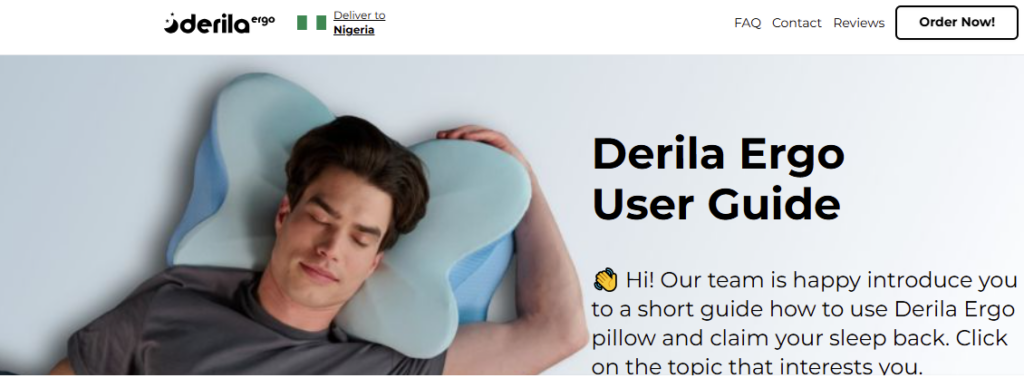
What Is the Derila Ergo Sleep Apnea Pillow?
The Derila Ergo Sleep Apnea Pillow is an ergonomically shaped memory foam pillow designed to support neck alignment and encourage better sleep posture. It is often marketed toward individuals who snore, wake up with neck pain, or experience mild breathing discomfort during sleep.
It is important to clarify early that it is not a medical device and does not treat sleep apnea. Sleep apnea is a clinical condition that requires diagnosis and medical intervention.
For clinical understanding of sleep apnea, see
Sleep Apnea Overview from NHLBI
How the Derila Ergo Pillow Works
The design philosophy is based on positional sleep optimization rather than medical correction.
Key functional principles include:
Neck Alignment Support
The contoured structure is designed to maintain cervical spine alignment during sleep, reducing unnatural bending of the neck.
Airway Positioning Assistance
By elevating and stabilizing the head, the pillow may help reduce airway collapse linked to poor sleeping posture in mild positional snorers.
Pressure Redistribution
Memory foam adapts to the shape of the head and neck, reducing localized pressure points that often lead to tossing and turning.
Postural Training Effect
Over time, the pillow can train the body to adopt side sleeping or neutral spine positions more consistently.
Sleep posture influence on breathing is widely documented in sleep medicine research.
Sleep Position and Breathing Quality Research Summary
Key Features of the Derila Ergo Sleep Apnea Pillow
Ergonomic Contour Design
The pillow is shaped with a central head cradle and elevated edges to support both side and back sleeping positions.
Memory Foam Core Technology
High density foam provides adaptive support while maintaining structural integrity throughout the night.
Multi Position Compatibility
Best suited for side and back sleepers. Stomach sleepers may experience discomfort due to neck elevation.
Portable Build
Lightweight structure makes it suitable for travel use, helping maintain sleep consistency outside the home.
Potential Benefits of Using the Derila Ergo Pillow
The effectiveness of this pillow depends heavily on user condition and sleep behavior. However, commonly reported outcomes include:
Improved Neck and Spine Alignment
Better alignment may reduce morning stiffness and cervical strain.
Reduced Snoring in Positional Cases
Snoring caused by sleeping flat on the back may improve due to airway repositioning.
Better Sleep Stability
Some users report fewer nighttime movements and less tossing.
Enhanced Side Sleeping Habit Formation
The design encourages lateral sleeping, which is often recommended for snoring reduction.
Reduced Shoulder Pressure
Memory foam distribution can improve comfort for side sleepers.
Clinical sleep research supports the relationship between posture and sleep quality outcomes.
Sleep Foundation Sleep Posture Guide
Limitations You Should Understand Before Buying
This section is where most marketing fails to be honest.
Not a Treatment for Sleep Apnea
Moderate and severe sleep apnea require medical diagnosis and CPAP therapy or other clinical interventions.
American Academy of Sleep Medicine Sleep Apnea Information
Adjustment Period Required
The structured shape can feel unfamiliar for the first few nights.
Not Ideal for Stomach Sleepers
The raised neck support can create discomfort for this sleep style.
Variable Results
Some users experience clear benefits, others notice minimal change.
Comfort Subjectivity
Memory foam firmness preferences differ significantly between individuals.
Who Should Use the Derila Ergo Sleep Apnea Pillow?
This pillow is best positioned for users who fall into these categories:
- Individuals with mild snoring linked to sleep posture
- Side sleepers seeking structured neck support
- Users with recurring neck stiffness from flat pillows
- People trying to improve sleep posture consistency
- Individuals interested in sleep ergonomics optimization
It is not appropriate for:
- Diagnosed sleep apnea patients relying on medical treatment
- People who sleep primarily on their stomach
- Users expecting immediate or guaranteed results
Scientific Context Behind Sleep Position and Breathing
Sleep posture plays a measurable role in airway patency. Supine sleeping can increase airway collapse risk in susceptible individuals, while side sleeping often improves airflow stability.
However, sleep apnea is a complex disorder involving airway anatomy, neuromuscular control, and sometimes metabolic factors. This is why positional devices alone are not considered definitive treatment.
According to sleep medicine consensus, positional therapy may help mild cases but is not a replacement for CPAP or clinical intervention.
User Experience Breakdown
Most reported user experiences follow a predictable pattern:
Days 1 to 3 Adjustment Phase
Some stiffness or unfamiliar neck positioning is common.
Days 4 to 7 Adaptation Phase
The body begins adjusting to alignment support.
After 1 Week or More
Users either report improved comfort and sleep stability or return to previous pillow types if adaptation fails.
Reported improvements often include:
- Less neck pain in the morning
- Slight reduction in snoring intensity
- More stable sleep positions
- Improved side sleeping habit consistency
Is the Derila Ergo Sleep Apnea Pillow Worth It?
From a practical evaluation standpoint, this product sits in the sleep ergonomics category, not medical treatment.
It is worth considering if your goal is:
- Improving sleep posture without clinical intervention
- Reducing mild positional snoring
- Supporting neck and spinal alignment
- Enhancing sleep comfort consistency
It is not worth relying on if your goal is:
- Treating diagnosed sleep apnea
- Eliminating breathing disorders during sleep
- Replacing medical-grade therapy
Think of it as a mechanical sleep support tool rather than a health treatment system.
Frequently Asked Questions FAQ
Is the Derila Ergo Sleep Apnea Pillow medically approved for sleep apnea treatment?
No. It is not a medical device and does not treat sleep apnea.
Can this pillow actually stop snoring?
It may reduce snoring caused by sleeping position, but not snoring caused by medical conditions.
How long does it take to get used to the pillow?
Most users require a few nights to one week of adjustment.
Is it good for neck pain?
It may help reduce neck strain caused by poor pillow alignment, but results vary.
Can it replace CPAP therapy?
No. CPAP remains the gold standard for clinically diagnosed sleep apnea.
Is it suitable for travel use?
Yes. Its compact design makes it portable and travel friendly.
Final Verdict
The Derila Ergo Sleep Apnea Pillow is a posture focused sleep support product built around ergonomic alignment and memory foam contouring. It may provide meaningful comfort improvements for some users, especially those dealing with mild snoring or neck discomfort caused by poor sleep posture.
However, it should not be misunderstood as a medical solution. Sleep apnea is a clinical condition that requires proper diagnosis and treatment.
In simple terms, this is a sleep optimization tool, not a cure. If used with realistic expectations, it can be a useful addition to a sleep hygiene routine.
Related Scam Alerts and Review
- Limuva Brightening Lip Serum Review 2026
- Zrhlufg.cn Review 2026
- Stalclearauto.shop Review 2026
- Yamawex.com Review 2026
- Ellie and Mae London Review 2026
- ExcelPlumbingAndHeating.co.uk Review 2026
- Amazsurprisebox.com Review 2026