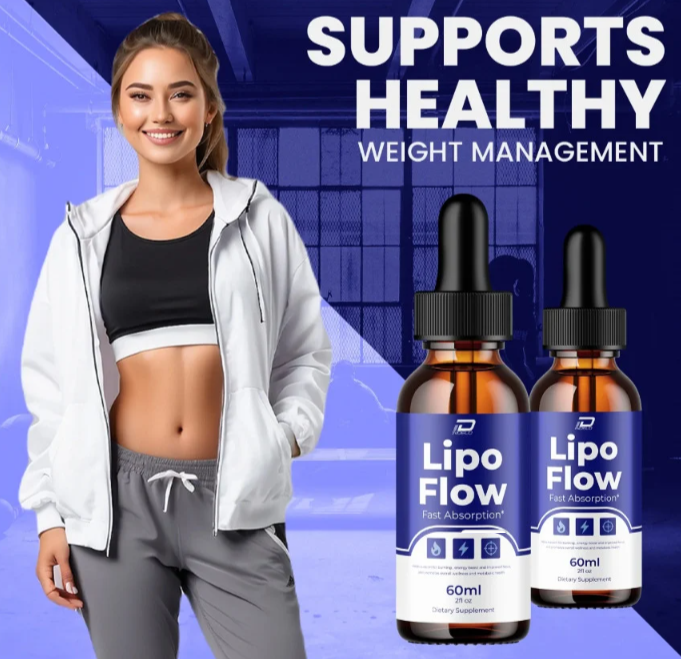
Are GLP-1 patches real or fake? Discover the truth behind the viral GLP-1 weight loss patches, what experts say, and how to avoid scams claiming “needle-free semaglutide results.”
⚠️ Scam Alert Summary
| Claimed Product | GLP-1 Weight Loss Patch |
|---|---|
| Marketed As | Needle-free alternative to Ozempic or Wegovy |
| Regulatory Approval | ❌ None (Not FDA or MHRA approved) |
| Scientific Proof | ❌ No clinical trials or medical validation |
| Risk Level | ⚠️ High – misleading ads and fake medical claims |
| Expert Verdict | GLP-1 patches do not work; avoid purchasing online |
| Safe Alternative | Doctor-prescribed GLP-1 medications (e.g., Ozempic, Wegovy, Mounjaro) |
Introduction
With the surge in popularity of GLP-1 weight loss drugs like Ozempic, Wegovy, and Mounjaro, social media has been flooded with “miracle” alternatives. One of the most talked-about products is the GLP-1 patch, which claims to help users lose weight without injections.
But are GLP-1 patches legitimate, or are they another fake ad campaign preying on desperate consumers? This article explores the truth behind these viral patches, their supposed science, and how to protect yourself from weight loss scams.
What Are GLP-1 Patches?
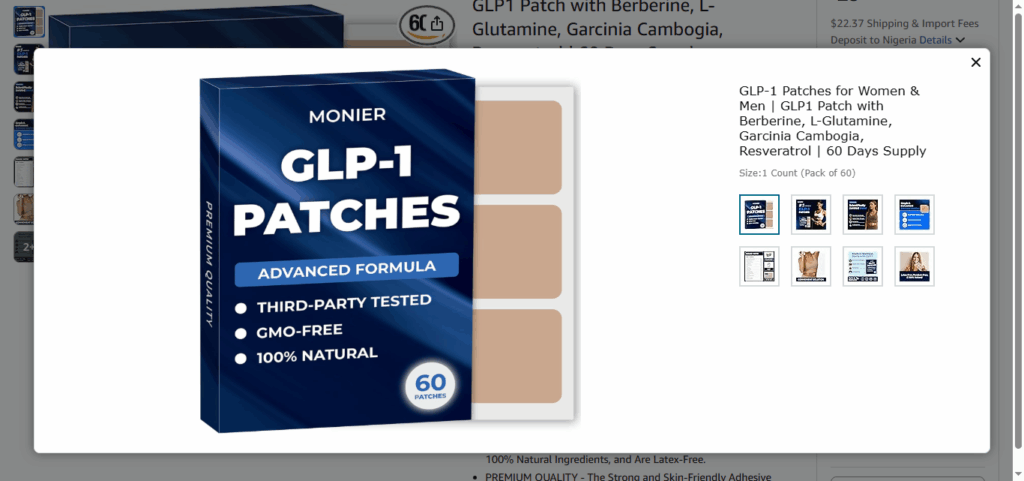
GLP-1 patches are advertised as transdermal weight-loss solutions that “mimic” the effects of GLP-1 receptor agonists such as semaglutide. Sellers claim that wearing the patch:
- Reduces appetite
- Speeds up metabolism
- Lowers blood sugar
- Burns fat around the clock
However, according to experts, these claims are unsupported by science.
For reference, see:
- Intermountain Health – GLP-1 Weight Loss Explained
- Sharp Health News – GLP-1 Options: Shot, Pill, or Patch?
How Real GLP-1 Medications Work
Real GLP-1 receptor agonists such as Ozempic (semaglutide), Wegovy, and Mounjaro (tirzepatide) are FDA-approved prescription medications. They help with weight loss and type 2 diabetes by:
- Slowing gastric emptying to promote fullness
- Regulating blood sugar levels
- Decreasing appetite
These effects occur when the active ingredient binds to GLP-1 receptors, something only achievable via injection or prescription pill, not a skin patch.
Further Reading:
Why GLP-1 Patches Don’t Work
1. Lack of FDA or MHRA Approval
According to Clinical Evidence Australia, GLP-1 patches are not medically approved or clinically validated. Most are sold as “supplements,” escaping pharmaceutical regulation.
2. Scientific Impossibility
The GLP-1 molecule is too large to be absorbed through the skin barrier. Transdermal patches cannot deliver it effectively into the bloodstream.
3. Misleading Formulations
Most GLP-1 patches contain herbal extracts (berberine, ginseng, green tea, or garcinia cambogia), which have no proven link to GLP-1 activation.
4. No Published Studies
There are no peer-reviewed studies supporting their safety or efficacy.
Potential Risks of Using GLP-1 Patches
- Health Risks: Unknown ingredients can cause rashes, allergies, or drug interactions.
- Financial Loss: Many sellers vanish after purchase, offering no refunds.
- Data Theft: Scam sites may collect your credit card or personal data.
- False Hope: Believing in fake patches can delay real medical treatment.
- Counterfeit Products: Some patches are repackaged from unregulated factories.
Signs You’re Viewing a GLP-1 Patch Scam
Be alert if you notice:
- Over-the-top weight loss promises (“Lose 30 lbs in 30 days”)
- Celebrity photos (Oprah, Elon Musk, or Adele) without official endorsement
- Fake medical jargon like “bio-activated peptide patch”
- No contact details, refund policy, or physical address
- Ads only on Facebook, TikTok, or Instagram with comments disabled
These are all warning signs of a scam website.
Tips to Stay Safe Online
- Check the Domain: Use tools like ScamAdviser.com to verify if a website is safe.
- Look for HTTPS: Ensure the site uses secure encryption (padlock symbol).
- Search for Reviews: Use queries like “[Site name] scam reviews” before purchasing.
- Avoid Influencer Links: Most TikTok or Facebook ads lead to unverified resellers.
- Consult a Doctor: Only take GLP-1 drugs under medical supervision.
What to Do If You’ve Been Scammed
If you suspect you’ve fallen for a fake GLP-1 patch ad:
- Contact Your Bank Immediately: Request a chargeback.
- Change Your Passwords: Especially if you reused them on other platforms.
- Report to Authorities:
- U.S.: ReportFraud.ftc.gov
- U.K.: ActionFraud.police.uk
- Nigeria: EFCC.gov.ng or NCC Consumer Portal
- Leave a Review: Help others by posting scam warnings on forums like Trustpilot or Reddit’s r/Scams.
Expert Verdict
GLP-1 patches are not legitimate medical products.
They are marketing fakes that misuse the GLP-1 drug trend to sell unproven supplements.
If you want real weight loss help, talk to your doctor about prescription GLP-1 treatments (like Ozempic or Wegovy), or learn about safe alternatives such as:
Frequently Asked Questions (FAQ)
Q1. Are GLP-1 patches real or fake?
They are fake. There’s no medical evidence or approval supporting their effectiveness.
Q2. Do GLP-1 patches contain semaglutide or tirzepatide?
No. None of the patches sold online contain these prescription ingredients.
Q3. Can GLP-1 be absorbed through the skin?
No. The molecule is too large to pass through the skin barrier effectively.
Q4. Are GLP-1 patches FDA-approved?
No. The FDA has not approved any GLP-1 patch for weight loss or diabetes.
Q5. Are there any legitimate weight loss patches?
Some patches may contain caffeine or green tea extract, but none offer GLP-1 effects.
Q6. How can I report a fake GLP-1 product?
Report the seller to your national consumer protection agency or the FTC for investigation.
Recommended SEO Tags
GLP-1 patch scam, GLP-1 weight loss patch, do GLP-1 patches work, fake GLP-1 ads, GLP-1 patch reviews, Ozempic alternatives, semaglutide patch
Categories: Health, Weight Loss, Scam Alerts, Consumer Protection
Internal Links
- At Home Store Closing Sale Scam
- Bad News Email Scam Explained
- Clara Hart Minnesota Anniversary Sale Scam
- MineOne Pro Bitcoin Miner Review
- Ammarks.com Reviews