Introduction
If you’ve seen online ads claiming that Gluco Control Liquid Drops or Gluco Control Capsules can “reverse diabetes naturally” or “stabilize blood sugar overnight,” you’re not alone. These Gluco Control scam ads have been circulating widely on Facebook, YouTube, TikTok, and other social platforms, preying on people living with diabetes.
In this detailed post, we uncover how the Gluco Control scam works, why it’s unsafe, and how you can protect yourself or a loved one from similar health frauds.
Focus Keyword: Gluco Control scam ads
What Is Gluco Control?
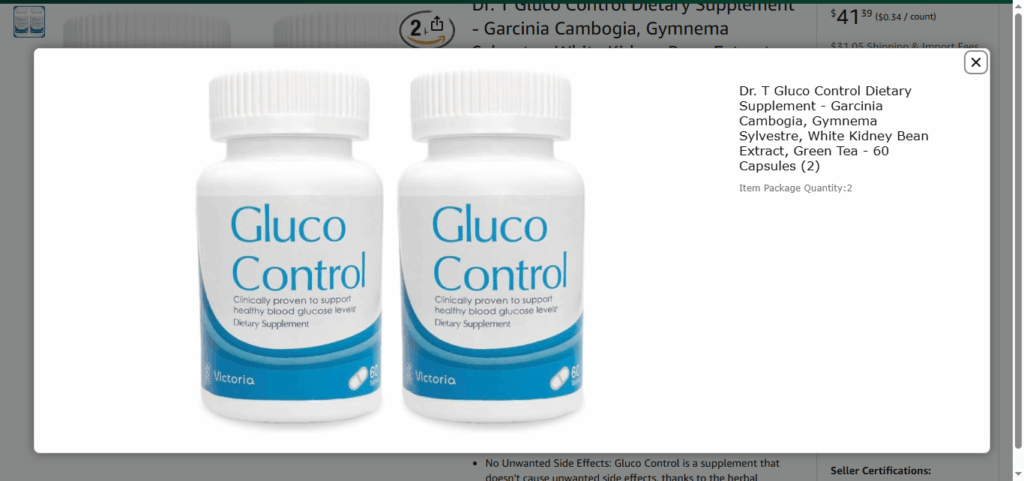
Gluco Control is marketed online as a “natural formula” that can help manage blood sugar levels without traditional medication. The ads claim it was developed by “doctors” and “approved by scientists,” often featuring fake testimonials and dramatic before-and-after images.
However, no scientific or clinical evidence supports these claims, and the company behind these promotions hides its true identity. There is no official website that lists verifiable manufacturing details, business registration, or third-party lab testing.
Typical False Claims in Gluco Control Ads
- “Reverses Type 2 diabetes naturally in days.”
- “Endorsed by top doctors and universities.”
- “Backed by government research.”
- “Used by over 250,000 people worldwide.”
These statements are false and misleading — a tactic scammers use to manipulate vulnerable consumers.
For more information, see the FDA’s official warning about fake diabetes treatments.
How the Gluco Control Scam Works
The Gluco Control scam follows a common pattern used by online health fraudsters:
- Deceptive Advertising: They post emotional, sensational ads promising a diabetes cure.
- Fake News Pages: Clicking the ad leads to a counterfeit article made to look like CNN, BBC, or Mayo Clinic.
- False Authority: These pages use stolen photos of doctors and stock images to appear legitimate.
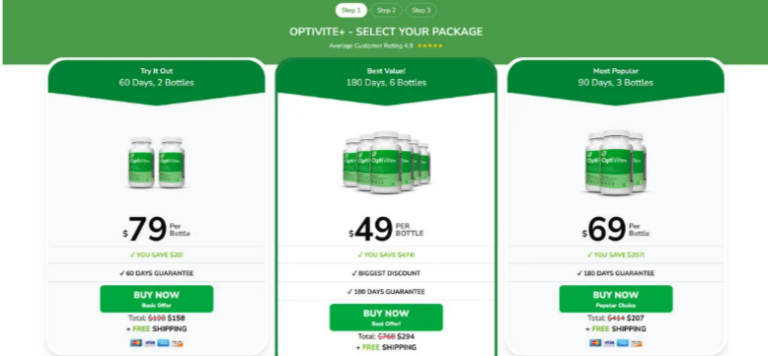
- Pressure to Buy: They offer “limited-time discounts” or “buy one, get two free” deals.
- Auto-Billing Traps: After payment, victims are often charged repeatedly without consent.
The scammers frequently switch domain names to avoid detection. Once a site is reported or taken down, another pops up with a slightly different name, continuing the deception.
Red Flags to Identify Gluco Control Scams
- Unrealistic Promises: No supplement can reverse or cure diabetes.
- No Clinical Evidence: Search for peer-reviewed research—none exists for Gluco Control.
- Fake Endorsements: Claims of support from doctors or TV programs are fabricated.
- No Physical Address: The company’s contact details are often hidden or fake.
- High-Pressure Sales Tactics: “Only 2 bottles left!” or “Offer ends in 5 minutes!” are red flags.
- Poor Grammar or Misspelled URLs: Common among scam sites.
For example, the Federal Trade Commission (FTC) warns that fake supplement sellers often use identical tactics to collect money and personal data.
Dangers of Buying Gluco Control
Falling for Gluco Control scam ads can have serious consequences:
- Health Risks: Unverified ingredients may be harmful or interfere with prescription medication.
- Financial Loss: Victims often face hidden charges or recurring billing.
- Data Theft: Scammers may steal credit card details for further fraud.
- Delayed Treatment: Believing in fake cures can prevent proper diabetes management, worsening health outcomes.
For verified diabetes guidance, refer to trusted health authorities such as:
- American Diabetes Association (ADA)
- Centers for Disease Control and Prevention (CDC) – Diabetes Resources
- NAFDAC Official Website
Tips to Stay Safe from Gluco Control Scam Ads
- Research Before Buying: Always check product registration on FDA or NAFDAC.
- Avoid Miracle Claims: Be skeptical of supplements that claim to cure diseases.
- Check the URL Carefully: Scam sites often mimic real brands with slight variations.
- Look for Verified Reviews: Use reputable review sites, not testimonials on the product page.
- Use Secure Payment Methods: Avoid direct bank transfers or cryptocurrency payments.
- Consult Your Doctor: Always speak to your healthcare provider before using any supplement.
- Report Suspicious Ads: Flag fake ads on Facebook, Instagram, or YouTube.
What to Do If You’ve Been Scammed
If you’ve already purchased or provided information to a fake Gluco Control seller, follow these steps immediately:
- Stop Using the Product: Unknown ingredients may harm your health.
- Contact Your Bank: Request a chargeback or dispute unauthorized transactions.
- Change Your Passwords: Protect your online banking and email accounts.
- Report the Scam:
- Keep Evidence: Save receipts, email confirmations, and screenshots of ads.
- Warn Others: Post an honest review or share this article to help others stay alert.
Frequently Asked Questions (FAQs)
1. Is Gluco Control FDA or NAFDAC approved?
No. Gluco Control is not registered with the FDA or NAFDAC. You can verify this using their official databases.
2. Can Gluco Control really cure diabetes?
No supplement can cure diabetes. Diabetes management requires proper medical care, diet, and lifestyle adjustments.
3. How can I confirm if a supplement is legitimate?
Check product listings on the FDA or NAFDAC Product Search.
4. Are there safe alternatives to Gluco Control?
Yes. Approved nutritional supplements or vitamins recommended by your doctor can support blood sugar health safely.
5. What should I do if I already bought Gluco Control?
Stop usage immediately, contact your bank, and report the website to consumer protection agencies.
6. Why are these scam ads still online?
Scammers constantly change their domain names and use ad algorithms to avoid being flagged, which makes removal challenging.
7. Where can I learn more about avoiding supplement scams?
Visit the FDA Health Fraud Section or FTC Consumer Alerts.
Conclusion
The Gluco Control scam ads exploit vulnerable individuals by promising false hope and quick fixes for diabetes. These fake products not only waste money but also endanger health and privacy.
Always verify claims, research the company, and consult licensed healthcare professionals before taking any supplement. Remember — if a product promises miracles, it’s probably a scam.
Protect yourself and others by staying informed and reporting any suspicious health ads to authorities.
Related Scam Alerts
- Gluco Force Drops Review – Real or Fake?
- GLP-1 Patches Scam – Legit Weight Loss or Fake Ads?
- Luna Heater Reviews – Real Winter Gadget or Scam Offer?
- MineOne Pro Bitcoin Miner Review – Investment or Trap?
- At Home Store Closing Sale Scam – How Fake Discounts Trick You
- ProZenith Scam – Is the “Japanese Salt Trick” Weight Loss Supplement Legit or Fraud?