Cryptocurrency has opened up exciting opportunities for investing, trading, and decentralized finance. However, its growing popularity has also attracted scammers who create fake cryptocurrency websites designed to steal money, personal information, or crypto wallet credentials.
Whether you’re buying Bitcoin, trading altcoins, or connecting your crypto wallet to a decentralized application (dApp), knowing how to identify fraudulent websites can help protect your digital assets.
In this guide, we’ll explain how fake cryptocurrency websites work, the common warning signs to watch for, and practical steps you can take to stay safe online.
What Are Fake Cryptocurrency Websites?
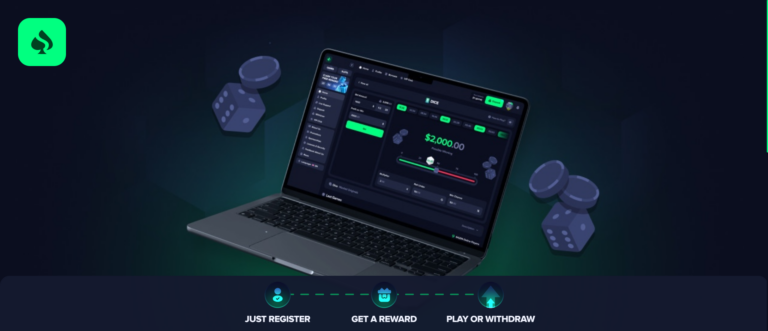
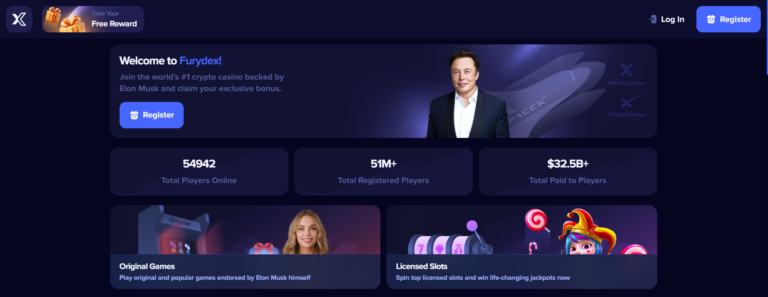
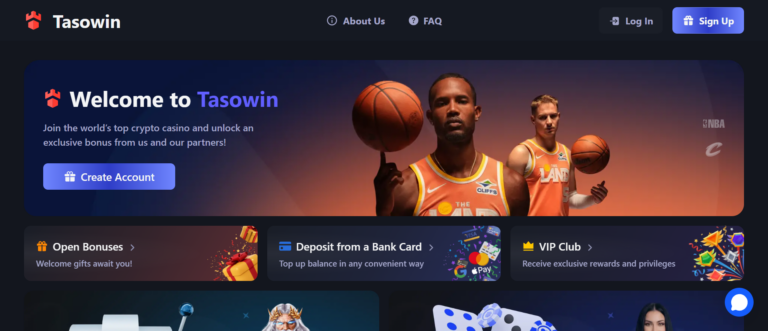
Fake cryptocurrency websites are fraudulent websites that imitate legitimate crypto exchanges, wallets, investment platforms, mining services, or blockchain projects.
Their goal is usually to:
- Steal cryptocurrency from victims
- Collect wallet seed phrases or private keys
- Trick users into making fake investments
- Harvest login credentials
- Spread malware
- Conduct phishing attacks
Many fake websites closely resemble legitimate platforms, making them difficult to recognize at first glance.
Common Types of Fake Cryptocurrency Websites
Scammers use various tactics to deceive users. Common examples include:
Fake Crypto Exchanges
Fraudsters build websites that look like well-known cryptocurrency exchanges. Victims deposit funds but later discover they cannot withdraw them.
Fake Wallet Websites
Some websites pretend to offer secure cryptocurrency wallets but instead ask users to enter their recovery phrase or private key.
Legitimate wallets will never ask you to reveal your recovery phrase online.
Fake Investment Platforms
These promise:
- Guaranteed profits
- Daily returns
- Risk-free crypto investments
- AI-powered trading bots
Many operate as Ponzi or pyramid schemes before disappearing with users’ funds.
Fake Airdrops
Scammers advertise free cryptocurrency giveaways but require users to:
- Connect their wallets
- Pay “gas fees”
- Verify their wallets
- Share recovery phrases
The promised tokens never arrive.
Fake NFT Marketplaces
Fraudulent NFT websites imitate legitimate marketplaces and trick users into signing malicious smart contracts.
Fake Mining Platforms
These promise passive income through cloud mining but often disappear after collecting deposits.
12 Warning Signs of Fake Cryptocurrency Websites
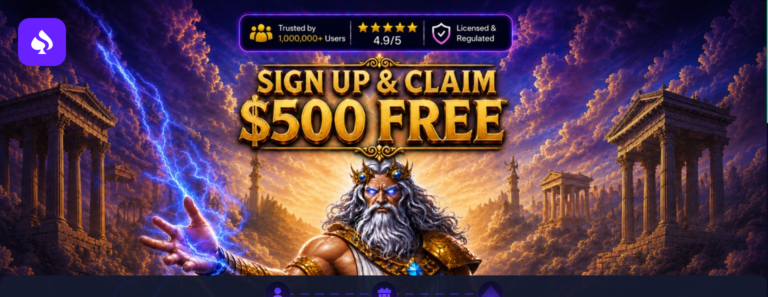
1. Unrealistic Profit Promises
Be cautious if a website guarantees:
- 100% returns
- Daily profits
- Risk-free investing
- Double your crypto
- Instant wealth
No legitimate investment can guarantee profits.
2. Recently Registered Domain
Many scam websites use newly created domains.
You can check:
- Domain registration date
- Website age
- Domain ownership (when available)
A brand-new website claiming years of experience deserves extra scrutiny.
3. Poor Website Design
Signs include:
- Grammar mistakes
- Broken pages
- Missing images
- Poor formatting
- Generic templates
While not every new website is fraudulent, numerous quality issues can be a warning sign.
4. No Company Information
Legitimate crypto businesses usually provide:
- Company address
- Business registration details
- Customer support
- Terms of Service
- Privacy Policy
If none of this information is available, proceed with caution.
5. Fake Customer Reviews
Watch for reviews that:
- Sound identical
- Contain exaggerated praise
- Have no verified profiles
- Appear only on the company’s website
Search for independent reviews before trusting a platform.
6. Requests for Your Recovery Phrase
This is one of the biggest red flags.
Never share:
- Seed phrase
- Recovery phrase
- Private key
Anyone who requests this information is almost certainly attempting to steal your cryptocurrency.
7. Pressure to Act Immediately
Scammers often create false urgency using phrases like:
- Limited-time investment
- Offer expires today
- Only a few spots left
- Claim your bonus now
Take time to verify the website before acting.
8. Suspicious URL
Check carefully for:
- Misspelled domain names
- Extra letters
- Hyphens
- Unusual domain extensions
Examples include replacing letters with similar-looking characters or adding unnecessary words to imitate a legitimate brand.
Always type important cryptocurrency website addresses manually or use trusted bookmarks.
9. No Secure Connection
Legitimate websites should use HTTPS encryption.
Although HTTPS alone does not guarantee a website is legitimate, websites without it should generally be avoided, especially if they request sensitive information.
10. Fake Customer Support
Warning signs include:
- No live support
- Generic email addresses
- No response to inquiries
- Fake social media accounts
Reliable businesses usually provide multiple ways to contact them.
11. Withdrawal Problems
Many scam websites allow deposits but block withdrawals by demanding:
- Additional taxes
- Verification fees
- Unlock fees
- Processing charges
Legitimate platforms generally do not require unexpected payments simply to release your own funds.
12. Requests to Install Unknown Software
Avoid downloading:
- Wallet installers from unknown sources
- Browser extensions from unofficial websites
- Trading bots from unverified developers
Malware can steal passwords and cryptocurrency wallets.
How to Verify a Cryptocurrency Website
Before investing or connecting your wallet:
- Verify the website address carefully.
- Search for independent user reviews.
- Check the age of the domain.
- Confirm the company provides clear contact information.
- Read the Terms of Service and Privacy Policy.
- Review the project’s official social media channels.
- Start with a small transaction if you decide to use a new platform.
- Never share your recovery phrase or private keys.
What to Do If You Used a Fake Cryptocurrency Website
If you suspect you’ve interacted with a fraudulent website:
- Disconnect your wallet from the suspicious website.
- Move remaining funds to a new wallet if you believe your wallet may be compromised.
- Change passwords associated with your cryptocurrency accounts.
- Enable two-factor authentication (2FA).
- Scan your device for malware using reputable security software.
- Report the website to your browser’s phishing reporting service, your country’s cybercrime authority, and the legitimate company being impersonated (if applicable).
- Monitor your wallet for unauthorized transactions.
Unfortunately, cryptocurrency transactions are generally irreversible, so acting quickly is important.
Tips to Stay Safe from Cryptocurrency Scams
- Use only official cryptocurrency websites.
- Bookmark trusted exchanges and wallets.
- Never share your seed phrase.
- Enable two-factor authentication whenever available.
- Be skeptical of guaranteed returns.
- Double-check URLs before logging in.
- Keep your wallet software updated.
- Research any crypto project thoroughly before investing.
- Avoid clicking cryptocurrency links received through unsolicited emails, text messages, or social media.
Frequently Asked Questions
Are all new cryptocurrency websites scams?
No. Many legitimate crypto startups launch new websites. However, new domains deserve additional research before you trust them with money or personal information.
Can HTTPS guarantee a cryptocurrency website is safe?
No. HTTPS only encrypts the connection between your browser and the website. Scam websites can also use HTTPS certificates.
Can scammers steal my cryptocurrency by connecting my wallet?
Yes. Some malicious websites ask users to approve transactions or sign smart contracts that allow scammers to transfer tokens from their wallets.
What should I never share with a cryptocurrency website?
Never share:
- Recovery phrase
- Seed phrase
- Private key
- Wallet backup phrase
Legitimate services do not need this information.
Can fake cryptocurrency websites appear in search results?
Yes. Fraudulent websites can sometimes appear in search engine results or online advertisements. Always verify the URL before clicking or entering sensitive information.
Final Thoughts
Fake cryptocurrency websites continue to evolve, making them increasingly convincing. While some imitate well-known exchanges or wallet providers, others create entirely new brands that promise unrealistic returns or exclusive opportunities.
Before depositing funds, connecting your wallet, or entering sensitive information, take a few moments to verify the website’s legitimacy. A careful review of the URL, company information, security practices, and independent user feedback can significantly reduce your risk of becoming a victim of cryptocurrency fraud.
Staying informed and practicing good online security habits remain your best defenses against cryptocurrency scams.
Related Articles
- How to Spot Fake Online Shopping Websites
- Common SMS Scams and How to Avoid Them
- How to Report Scam Websites
- How to Identify Email Phishing Scams
- Common Bank Text Message Scams Explained
- Package Delivery Text Scams
- What to Do If You Clicked a Phishing Link
- How to Protect Yourself from Online Scams
- 561-594-0653 Text Message About Meeting
- Is OnlyFans Safe to Use?