
Introduction
Fuel saving gadgets are everywhere online promising dramatic reductions in fuel consumption with zero effort. NeoSocket Fuel Saver is one of the latest entries, heavily advertised as a plug-in device that connects to your vehicle’s 12V socket and allegedly reduces fuel usage while improving performance.
Here is the reality check. Modern vehicles are complex, ECU-controlled systems. Any device claiming big fuel savings without engine integration deserves serious skepticism.
This review breaks down how it is marketed, what science says, real-world feedback, red flags, FAQs, and safer alternatives.
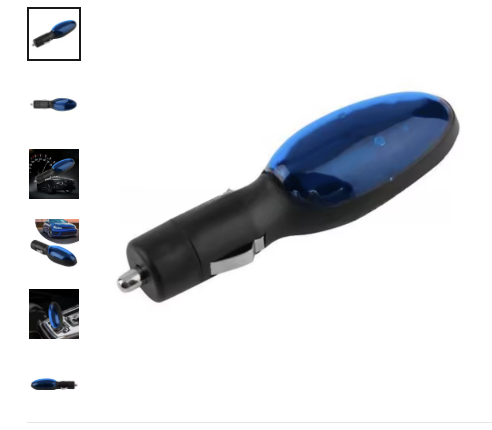
What Is NeoSocket Fuel Saver
NeoSocket Fuel Saver is promoted as a small plug-in electronic device that fits into a car’s cigarette lighter or 12V socket.
It is marketed to
- Reduce fuel consumption
- Improve engine efficiency
- Stabilize electrical current
- Lower emissions
These claims sound attractive but require technical validation because modern fuel systems are not influenced by simple plug-in accessories.
How NeoSocket Fuel Saver Claims to Work
Marketing materials typically claim the device
- Stabilizes voltage flow in the vehicle
- Improves combustion efficiency
- Enhances engine performance
- Reduces fuel consumption by up to 30 percent
The idea is that electrical optimization somehow improves fuel burning efficiency. However, this conflicts with how modern engine systems operate.
Technical Reality Behind the Claims
Modern cars use an Engine Control Unit (ECU) that manages fuel injection, ignition timing, and air-fuel ratios using real-time sensors.
A 12V plug-in device like NeoSocket
- Does not interface with ECU software
- Cannot alter fuel injection mapping
- Cannot control combustion timing
- Cannot influence oxygen sensor feedback loops
Independent teardown reports of similar devices often reveal basic components such as capacitors, resistors, and LED lights, which have no measurable impact on fuel efficiency.
For deeper understanding of ECU systems, see
https://en.wikipedia.org/wiki/Engine_control_unit
For fuel economy fundamentals
https://www.fueleconomy.gov/feg/driveHabits.jsp
Is NeoSocket Fuel Saver a Scam or Legit
Based on engineering principles and comparisons with similar devices, NeoSocket Fuel Saver strongly aligns with low-credibility automotive gadgets.
Key issues include
- No verified laboratory testing for fuel savings
- Exaggerated marketing claims without data transparency
- Lack of independent certification
- Similar structure to previously debunked fuel saver devices
Industry watchdog discussions on similar products
https://www.consumerreports.org/cars/car-maintenance/do-fuel-savers-work/
Red Flags to Watch Out For
Be cautious if a product shows these patterns
- Claims of instant fuel savings above 10 to 30 percent
- LED lights presented as proof of performance
- No technical documentation or engineering validation
- Aggressive countdown discounts or “limited stock” pressure
- Same product sold under multiple brand names
These are classic marketing patterns in low-value automotive gadgets.
Real User Feedback Overview
Across similar fuel-saving plug-in devices, reported experiences usually include
- No noticeable change in fuel consumption
- Device acting only as a basic electronic plug
- Temporary curiosity followed by disappointment
- Perceived improvement caused by driving behavior changes
This suggests placebo effect plays a major role in user perception.
Better Proven Ways to Save Fuel
Instead of relying on unverified devices, real fuel efficiency improvements come from established practices
- Maintain correct tire pressure regularly
- Avoid aggressive acceleration and braking
- Service air filters and spark plugs on schedule
- Reduce unnecessary vehicle load
- Drive at steady, consistent speeds
Authoritative fuel efficiency guide
https://www.energy.gov/eere/vehicles/fuel-economy
Frequently Asked Questions
Is NeoSocket Fuel Saver legit
There is no credible engineering or laboratory evidence supporting its fuel-saving claims.
Does NeoSocket Fuel Saver really reduce fuel consumption
No verified testing confirms consistent or measurable fuel savings.
What is inside NeoSocket Fuel Saver devices
Similar products typically contain basic electronic components such as a capacitor, resistor, and LED light.
Why do some drivers think it works
Perceived improvement is usually due to altered driving habits or psychological expectation bias.
Can any plug-in device improve fuel economy
Not without integration into ECU systems and validated engineering control mechanisms.
Are fuel saver gadgets common scams
Many similar devices have been widely criticized for lacking scientific validation.
Should I buy NeoSocket Fuel Saver
From a technical and financial standpoint, it does not offer reliable value compared to proven fuel-saving methods.
Conclusion
NeoSocket Fuel Saver fits the pattern of heavily marketed automotive gadgets that promise significant fuel savings without engineering proof.
Modern fuel systems are ECU-controlled and cannot be optimized through simple plug-in accessories. While the marketing sounds convincing, real-world evidence does not support the claims.
For real savings, focus on driving discipline, maintenance, and proven vehicle efficiency practices instead of unverified devices.
Related Scam Alerts and Review
- Fulton County Traffic Division Scam Text Review
- Fuelify Card Scam Review 2026
- Casg5.com Review (2026)
- Memopezil Supplement Review 2026
- How to Remove Zavixnura.co.in Adware