In this detailed 2026 review of Xoryq.online, learn about its reputation, risks, domain age, scam indicators, user safety tips, and how to identify suspicious websites effectively.
Introduction: What Is Xoryq.online?
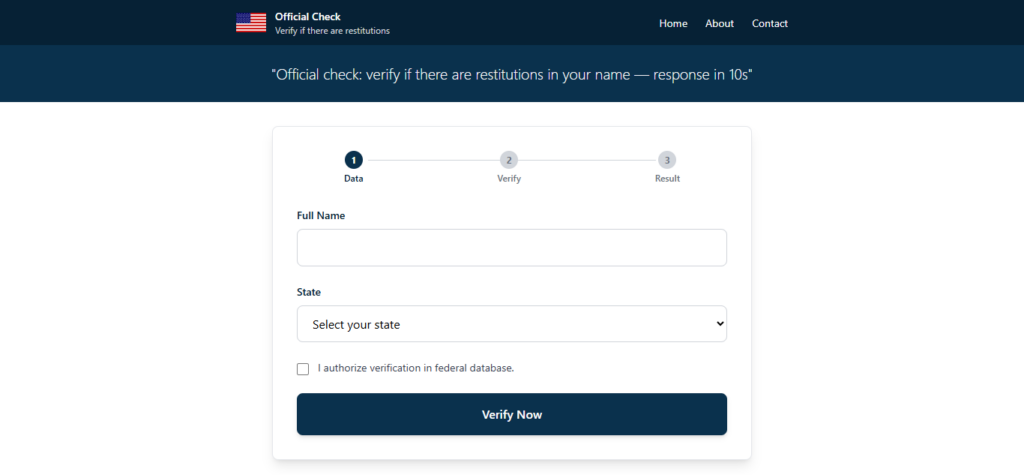
Xoryq.online is a newly launched website that claims to help users “verify if there are restitutions in your name.” While this might sound useful, many online scam websites make similar claims to trick people into sharing sensitive information. Because the site is very new and lacks a verified track record, it’s important to examine its safety before interacting with it.
Why Domain Age Matters
A common sign of scam websites is a very recent domain registration. Scam sites often appear suddenly, exist for a short time, and then disappear once they collect data or money from visitors. Checking a domain’s registration date using tools like a WHOIS lookup is a simple first step in evaluating legitimacy, as older domains with a solid online presence generally signal higher trustworthiness.
Online Reputation and Safety Tools
Independent website reputation checkers often analyze multiple signals—such as phishing risk, malware indicators, domain age, and traffic history—to produce a trust score. Tools like Gridinsoft Website Reputation Checker allow you to assess a domain’s risk level before interacting with it, highlighting potential red flags to help with decision‑making.
Online safety platforms such as ScamAdviser also review websites and display trust metrics. While an SSL certificate (indicated by https:// and a padlock symbol in the browser) shows the connection is encrypted, SSL alone does not guarantee legitimacy—scammers can also obtain encryption certificates.
Common Scam Website Red Flags
When evaluating sites like Xoryq.online, be cautious of the following warning signs:
1. Recently Registered Domain
A domain created only a few weeks or months ago significantly raises suspicion. Scam sites often have a short lifespan online.
2. Lack of Contact Information
Legitimate businesses usually provide clear contact data such as email, phone number, and physical address. Scam sites often have little to no transparent contact options.
3. Unrealistic Promises
Statements like guaranteed financial restitutions or too‑good‑to‑be‑true payouts are classic tactics used to lure users into giving up personal data. This is similar to other scam promises like unusually high returns or rewards for entering contact information.
4. Minimal Website Content
Professional, established websites have multiple pages (e.g., About Us, Contact, Terms & Conditions). Sites with only one or two pages offering instant results often lack transparency and purpose beyond data collection.
5. SSL Encryption Is Not Enough
While an SSL certificate (visible as https:// in the address bar) is necessary for encrypting data, it doesn’t mean the site is trustworthy. Even scam sites use HTTPS today, so this should not be your only safety check.
How to Properly Evaluate a Website’s Safety
Before entering personal data into any unfamiliar site, follow these expert tips:
- Check the URL carefully. Look out for misspellings, unusual characters, and unfamiliar domain extensions.
- Examine the site’s design and content quality. Poor grammar, low‑quality images, or missing sections can signal a rushed, illegitimate site.
- Search for external reviews. Platforms like Trustpilot, Sitejabber, or ScamDoc can reveal user experiences and complaints.
- Use reputable website safety checkers. Tools such as ScamAdviser and Gridinsoft Website Reputation Checker provide automated and human‑guided insights into site trust levels.
- Avoid entering sensitive data. Never provide full name, date of birth, bank details, or identity documents on unverified websites.
Final Verdict: Is Xoryq.online Safe?
Based on domain age, lack of established reputation, and absence of transparent contact information, Xoryq.online exhibits multiple risk indicators that are commonly associated with scam or low‑trust websites. Until there is clear evidence of verified user reviews and legitimate track records, it’s safer to avoid providing personal data or relying on its services.
Additional Resources on Website Safety
If you want to learn more about protecting yourself online:
- Read Kaspersky’s guide on how to protect against online scams (covers common scam tactics and prevention).
- Use domain lookup tools like whois.domaintools.com to check domain age and registrant info.
- Explore detailed red‑flag checklists such as the one found on ScamAdviser.com about recognising a scam website.
Related Scam Alerts and Review
- How to Remove Metachainedge.com Adware
- Complete Guide: How to Remove Perthnes.co.in Adware
- OFFICIALLY DECLARED DELINQUENT Scam Texts
- FINAL COURT-ORDERED MANDATORY COLLECTION NOTICE Scam Texts
- NY‑DMV‑26‑92173 FINAL COURT‑ORDERED Scam Text
- Mandatory Mediation Order Text Scam
- Judge Robert Harlan Unpaid Traffic Violation Text Scam
- +1 (800) 613‑9844 EXPOSED
- Is +1 888‑834‑8826 Legitimate or a Scam?
- DeLuca’s Fine Jewelry $0.02 USD PayPal Scam
- Carmen Russo Has Sent You $0.02 USD PayPal Scam
- Workshop‑Express.com Review
