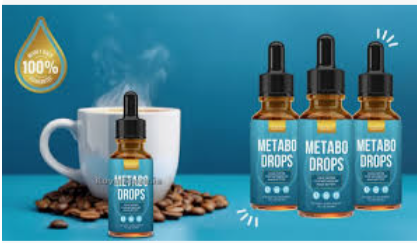
Choosing a dietary supplement can be overwhelming with so many products available online and in stores. While many supplements are manufactured responsibly, others may make exaggerated marketing claims or fail to provide clear information about their ingredients and quality standards.
This guide explains how to evaluate health supplements more confidently, recognize trustworthy brands, and make informed purchasing decisions. It is intended for educational purposes and should not replace advice from a qualified healthcare professional.
Why Choosing the Right Supplement Matters
Dietary supplements may help fill nutritional gaps or support specific health goals when used appropriately. However, not every supplement has the same level of scientific evidence, manufacturing quality, or ingredient transparency.
Before purchasing any supplement, it’s worth taking a few minutes to research the product and the company behind it.
For more information about dietary supplements, visit the official resources from the U.S. Food and Drug Administration (FDA):
https://www.fda.gov/food/dietary-supplements
You can also learn more from the National Institutes of Health Office of Dietary Supplements:
https://ods.od.nih.gov
1. Buy from Reputable Brands
One of the simplest ways to reduce your risk is to purchase supplements from established companies that are transparent about their products.
Look for brands that:
- Clearly list all ingredients
- Provide complete contact information
- Have an official website
- Explain where their products are manufactured
- Offer responsive customer support
- Publish detailed product information
Avoid purchasing supplements from websites that provide little information about the manufacturer or use anonymous contact details.
2. Look for Third-Party Testing
Independent testing helps verify that a supplement contains what its label claims.
Some well-known independent organizations include:
- USP (United States Pharmacopeia)
https://www.usp.org - NSF Certified
https://www.nsf.org - ConsumerLab
https://www.consumerlab.com
While third-party certification does not guarantee a supplement will work for everyone, it can provide additional confidence in product quality and manufacturing practices.
3. Read the Ingredient List Carefully
Always review:
- Active ingredients
- Serving size
- Recommended dosage
- Other inactive ingredients
- Potential allergens
Be cautious with products that use proprietary blends without revealing how much of each ingredient they contain.
4. Avoid Supplements That Promise Miracle Results
Be skeptical of products claiming to:
- Melt fat overnight
- Cure diseases
- Reverse aging instantly
- Deliver guaranteed results
- Work without diet or exercise
No legitimate supplement can guarantee identical results for every person.
5. Check the Label
A quality supplement should clearly display:
- Supplement Facts panel
- Complete ingredient list
- Manufacturer name
- Recommended use
- Expiration date
- Lot number
If important information is missing, consider choosing another product.
6. Research the Manufacturer
Before buying, visit the company’s official website and check whether they:
- Explain their manufacturing process
- Share quality control practices
- Provide scientific references when appropriate
- Offer customer support
Transparency often indicates a more reputable company.
7. Verify Health Claims
Many supplement advertisements use persuasive language that may overstate benefits.
Instead of relying solely on advertisements, consult trusted health resources such as:
- National Institutes of Health Office of Dietary Supplements
https://ods.od.nih.gov - U.S. Food and Drug Administration
https://www.fda.gov - World Health Organization
https://www.who.int
These organizations provide evidence-based information about dietary supplements and nutrition.
8. Consider Possible Drug Interactions
Some supplements may interact with medications or existing medical conditions.
Speak with your healthcare provider before using supplements if you:
- Are pregnant
- Are breastfeeding
- Take prescription medications
- Have chronic health conditions
- Are preparing for surgery
9. Read Customer Reviews Wisely
Customer reviews can be helpful, but they shouldn’t be your only source of information.
Look for:
- Verified purchases
- Balanced reviews
- Consistent customer experiences
- Reviews across multiple trusted retailers
Be cautious of products with hundreds of nearly identical five-star reviews posted within a short period.
10. Purchase from Trusted Retailers
Buying directly from the manufacturer’s official website or a reputable retailer may reduce the risk of counterfeit or improperly stored products.
Avoid websites offering prices that seem unrealistically low or products without clear company information.
Warning Signs to Watch For
You may want to avoid supplements that:
- Promise instant or guaranteed results
- Hide ingredient amounts
- Lack manufacturer contact details
- Have no expiration date
- Use fake celebrity endorsements
- Claim to cure serious illnesses
- Display numerous spelling or grammar errors on their packaging or website
Frequently Asked Questions
Are natural supplements always safe?
No. Natural ingredients can still cause side effects or interact with medications. Always read labels carefully and seek professional advice if needed.
Does a higher price mean better quality?
Not necessarily. Quality depends more on manufacturing standards, ingredient transparency, and third-party testing than price alone.
Can supplements replace a healthy diet?
No. Supplements are designed to complement—not replace—a balanced diet and healthy lifestyle.
Where can I report unsafe supplements?
If you suspect a supplement is unsafe or falsely marketed, you can report concerns through your country’s food or health regulatory authority. In the United States, reports can be submitted through the FDA’s Safety Reporting Portal:
https://www.safetyreporting.hhs.gov
Final Thoughts
Choosing safe and reputable health supplements involves more than reading advertising claims. Taking the time to research the manufacturer, verify ingredient transparency, look for third-party certifications, and consult trusted health resources can help you make more informed decisions.
Remember that supplements should support a healthy lifestyle—not replace medical care, a nutritious diet, or professional advice. If you have questions about whether a supplement is appropriate for your needs, consult a qualified healthcare provider.
Helpful Resources
- FDA Dietary Supplements: https://www.fda.gov/food/dietary-supplements
- NIH Office of Dietary Supplements: https://ods.od.nih.gov
- World Health Organization: https://www.who.int
- USP Quality Verification: https://www.usp.org
- NSF Certified Products: https://www.nsf.org
- ConsumerLab Supplement Reviews: https://www.consumerlab.com
Related Articles
You may also find these guides helpful:
- MemoVance PRO Review
- Nimbele.com Review
- Neurozen Drops Review
- How to Remove Tfrsrch.com Redirect
- How to Remove Search-sync.com Redirect
- How to Remove Bestfreemaps.com Redirect
- Service@sjhvsth.shop Scam Review
- Service@ordertomail.net Scam Review
- MindSilence Supplement Review
- Dietary Supplements: What You Should Know Before Buying
- Understanding Weight Loss Supplement Claims