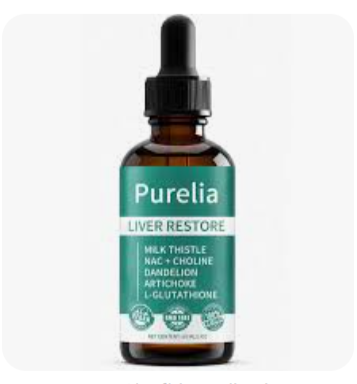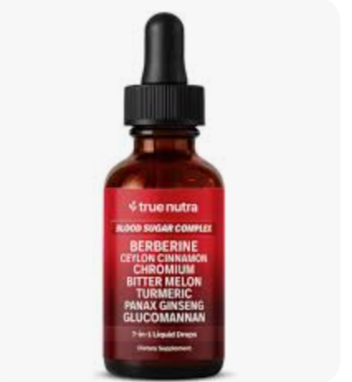
Online supplement scam warning signs are worth understanding before buying vitamins, herbal products, weight-management supplements, or other dietary supplements online.
Many legitimate supplement businesses sell products through websites and online marketplaces. However, some advertisements may contain exaggerated claims, unclear pricing, misleading testimonials, or other practices that make a product difficult to evaluate.
This guide explains how to spot supplement scams, what to check before purchasing an online supplement, and where to find reliable information.
What Are Online Supplement Scam Warning Signs?
An individual warning sign does not automatically prove that a supplement company is fraudulent. Instead, consumers should consider the overall information available about the product, seller, claims, pricing, and purchasing terms.
Some common supplement scam warning signs include:
- Unrealistic health claims
- Guaranteed results
- Fake-looking testimonials
- Unclear ingredient information
- Hidden recurring charges
- Difficult-to-find refund policies
- Pressure to buy immediately
- Suspicious website information
- Unverified celebrity or doctor endorsements
- Claims that a product can replace medical treatment
The Federal Trade Commission advises consumers to research health products and be cautious about guarantees, miracle claims, and unsupported endorsements.
1. Unrealistic Health Claims
One of the most important online supplement scam warning signs is a product that promises extraordinary health results.
Be cautious when an advertisement claims that a supplement can:
- Cure a serious disease
- Guarantee weight loss
- Produce instant results
- Replace prescribed treatment
- Work for everyone
- Provide a “miracle” solution
A supplement advertisement should not be treated as medical evidence simply because it makes a health claim.
The FDA explains that dietary supplements are regulated differently from drugs and advises consumers to become informed and discuss supplement use with a healthcare professional.
2. “Miracle Cure” or Guaranteed Results
Be careful with marketing phrases such as “miracle cure,” “guaranteed results,” “instant results,” or “secret formula.”
These statements can create unrealistic expectations.
Instead of relying on promotional language, research the ingredients and look for reliable information about the product’s intended use and potential risks.
3. Suspicious Customer Reviews
Customer reviews can provide useful information, but reviews published directly on a seller’s website should not automatically be considered independent evidence.
Potential warning signs include:
- Large numbers of almost identical reviews
- Repetitive wording
- Generic photographs
- Testimonials without useful details
- Extraordinary results reported by nearly every customer
- Reviews that cannot be independently verified
Try searching the product name together with words such as “review,” “complaint,” or “scam.” The FTC specifically recommends this type of research when evaluating health products online.
4. Dramatic Before-and-After Photos
Before-and-after photographs are frequently used when promoting weight-management, fitness, and beauty supplements.
However, photographs alone do not establish that a supplement caused the reported result.
Consider the complete evidence rather than relying on promotional images.
5. Pressure to Buy Immediately
Another common supplement scam red flag is excessive urgency.
A website may display messages such as:
- “Only a few bottles left!”
- “Offer ends soon!”
- “Buy now!”
- “Today’s price only!”
A limited-time promotion does not automatically mean a website is fraudulent. However, consumers should have enough time to research a product before making a purchase.
The FTC advises consumers to be cautious about health products promoted with pressure to act immediately.
6. Hidden Subscription Charges
Some online supplement offers may involve recurring payments.
Before completing an order, check whether the purchase is:
- A one-time payment
- A monthly subscription
- An automatic renewal
- A trial that converts into a paid order
- A multi-product package
Carefully review the checkout page and terms before entering your payment information.
7. Unclear Refund Policy
A consumer should be able to understand how refunds and cancellations work.
Check whether the website clearly explains:
- Refund eligibility
- Return requirements
- Cancellation procedures
- Subscription cancellation
- Shipping charges
- Refund processing
If these details are difficult to find, consider researching the company further before buying.
8. Missing Company Information
Before buying an online supplement, look for information about the business behind the product.
Useful details include:
- Company name
- Manufacturer or distributor
- Customer-service information
- Business address
- Terms and conditions
- Privacy policy
- Refund policy
The FDA notes that the name and address of the manufacturer or distributor can be found on a dietary supplement’s label.
9. Suspicious Website Information
Pay attention to the website address and the information provided about the seller.
Remember that HTTPS does not prove that a business is legitimate. HTTPS helps secure communication between your browser and a website, but it does not verify the company’s identity or product claims.
The FTC similarly advises consumers to research unfamiliar health-product sellers before providing personal or financial information.
10. Vague Ingredient Information
A supplement website should provide useful information about the product’s ingredients.
Be cautious when marketing relies heavily on phrases such as:
- “Secret formula”
- “Revolutionary blend”
- “Breakthrough ingredient”
- “Ancient formula”
without providing enough information for consumers to understand what they are purchasing.
For additional information about individual vitamins, minerals, herbs, and other dietary ingredients, see the NIH Office of Dietary Supplements Fact Sheets.
11. Unverified Doctor or Celebrity Endorsements
Some supplement advertisements use photographs or statements supposedly associated with doctors, celebrities, researchers, or health organizations.
Do not assume an endorsement is genuine simply because it appears in an advertisement.
If an endorsement is important to the purchasing decision, search for independent confirmation.
12. Fake News-Style Advertisements
Some supplement advertisements are designed to resemble news reports.
They may contain:
- News-style headlines
- Celebrity photographs
- Medical-looking graphics
- “Breaking news” language
- Claims about a major scientific discovery
If an advertisement looks like a news article, verify whether the supposed publication actually published the story.
13. Claims That a Product Can Replace Medical Treatment
Extra caution is appropriate when a supplement is promoted as an alternative to prescribed medication or medical care.
The FDA advises consumers not to substitute dietary supplements for prescription medicines or a healthy diet.
If you are taking medication or managing a health condition, speak with a qualified healthcare professional before starting a new supplement.
14. “Natural” Does Not Automatically Mean Safe
Another common marketing approach is emphasizing that a product is “natural.”
However, natural does not automatically mean safe or effective.
The FDA and FTC both caution consumers that some natural products can have risks or interact with medicines.
15. Claims That a Secret Cure Is Being Hidden
Be skeptical of advertisements suggesting that doctors, scientists, pharmaceutical companies, or government agencies are hiding a particular supplement from the public.
Extraordinary claims require reliable evidence.
Look for information from established medical, scientific, and government sources instead of relying solely on promotional material.
How to Check an Online Supplement Before Buying
Knowing how to identify supplement scams can help consumers make more informed purchasing decisions.
Search the Product Name
Search for the product together with:
- “review”
- “complaint”
- “ingredients”
- “subscription”
- “refund”
- “customer reviews”
The FTC recommends researching health products before purchasing them.
Research the Ingredients
Look up individual ingredients using reliable sources.
The NIH Office of Dietary Supplements provides evidence-based information about many dietary supplements and their ingredients.
Check the Manufacturer
Look for the manufacturer’s or distributor’s information on the product label.
Also compare the information on the label with what is stated on the seller’s website.
Read the Billing Terms
Before paying, check:
- Total price
- Shipping costs
- Recurring charges
- Subscription conditions
- Trial terms
- Cancellation requirements
- Refund conditions
Speak With a Healthcare Professional
If you are considering a supplement, particularly if you take medication or have an existing health condition, discuss it with a doctor, pharmacist, dietitian, or other qualified healthcare professional.
The FDA recommends discussing the potential benefits and risks of supplements with a healthcare professional.
What to Do If You Suspect a Supplement Scam
If an online supplement offer appears questionable, consider pausing the purchase until you can verify the seller and product information.
If you have already purchased the product:
- Review your payment statement.
- Check for recurring charges.
- Save your order confirmation and receipts.
- Contact the seller.
- Keep copies of your communications.
- Contact your payment provider if you see an unauthorized charge.
- Report suspected fraudulent activity to the appropriate authority.
For U.S.-based consumer information, the Federal Trade Commission Consumer Advice provides guidance about health scams and deceptive practices.
Are All Online Supplement Websites Scams?
No. Not every online supplement website is a scam.
A large discount, unusual domain name, or poorly designed website does not independently establish that a company is fraudulent.
Instead, look at the complete picture.
Multiple concerns—such as unsupported health claims, questionable testimonials, unclear billing, missing business information, and aggressive sales tactics—are reasons to conduct additional research before purchasing.
Frequently Asked Questions
What are the biggest online supplement scam warning signs?
Common warning signs include unrealistic health claims, guaranteed results, suspicious testimonials, hidden recurring charges, unclear refund policies, missing company information, and pressure to purchase immediately.
How can I tell if an online supplement is legitimate?
Research the seller and manufacturer, review the ingredients and product label, check the refund and billing terms, and look for independent information about the product.
Are online supplement reviews reliable?
Not always. Reviews published by sellers may be promotional. Compare information from multiple independent sources before making a purchasing decision.
Does HTTPS mean a supplement website is legitimate?
No. HTTPS helps protect information transmitted between your browser and the website, but it does not establish that the business or its product claims are legitimate.
What should I do about unexpected supplement charges?
Review the purchase terms to determine whether recurring billing was involved. Contact the seller and your payment provider if you believe a charge was unauthorized.
Does “natural” mean a supplement is safe?
No. Natural ingredients can still have side effects or interact with medications. The FDA and FTC both advise consumers to consider potential risks rather than assuming that natural products are automatically safe.
Final Thoughts
The best way to avoid questionable supplement offers is to research before you buy.
Check the product label, investigate the manufacturer, review the ingredients, understand the payment terms, and be cautious about dramatic health claims and testimonials.
Reliable resources such as the FDA’s dietary supplement consumer information, FTC Consumer Advice, and NIH Office of Dietary Supplements can help consumers learn more about supplement safety and health claims.
Being an informed consumer can make it easier to recognize online supplement scam warning signs and avoid making rushed purchasing decisions.
Disclaimer: This article is for general informational purposes only and is not medical, financial, or legal advice. Supplement information can vary by product and individual circumstances. Consider speaking with a qualified healthcare professional before starting a new supplement.
Related Scam Alerts and Reviews
- Horse Boost Gummies Review
- JellyBlue Gummies Review
- Men’s Supplement Reviews
- Dietary Supplement Reviews
- How to Identify Misleading Supplement Claims