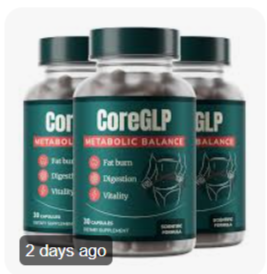
Buying dietary supplements online can be confusing. Product advertisements often highlight potential benefits, but consumers should understand the difference between marketing claims and evidence-based information.
Learning how to identify misleading supplement claims can help you evaluate health products more carefully and make informed purchasing decisions.
This guide explains common supplement advertising red flags, how to evaluate health claims, what to look for on supplement labels, and where to find reliable information.
What Are Misleading Supplement Claims?
Misleading supplement claims are statements that may give consumers an inaccurate, exaggerated, or unsupported impression about a product’s benefits, safety, effectiveness, or ingredients.
Not every supplement claim is necessarily false. However, consumers should investigate claims that appear unusually strong or make promises that go beyond the available evidence.
The U.S. Food and Drug Administration (FDA) advises consumers to be cautious about health products marketed with unproven claims, particularly products promising dramatic or rapid results.
1. Be Careful With “Miracle” and Guaranteed Results
One of the easiest ways to identify potentially misleading supplement advertising is to look for exaggerated promises.
Be cautious when an advertisement claims that a supplement can:
- Produce instant results
- Guarantee weight loss
- Permanently reverse a health condition
- Work for everyone
- Deliver dramatic results within a few days
- Replace prescription treatment
- Provide a “miracle cure”
Terms such as “guaranteed,” “instant,” “miracle,” “100% effective,” and “permanent cure” deserve additional scrutiny.
The FDA specifically warns consumers about products making unusually rapid or extraordinary health promises.
2. Ask What Evidence Supports the Claim
A supplement company may make an impressive claim, but an important question is:
What evidence supports it?
The NIH Office of Dietary Supplements provides evidence-based information about many vitamins, minerals, herbs, botanicals, and other dietary supplements.
When evaluating a claim, consider:
- What ingredient is being studied?
- What amount was used?
- How long was the study conducted?
- How many people participated?
- Was the research conducted in humans?
- Was the actual finished product studied?
- Were there limitations to the research?
Useful resource
NIH Office of Dietary Supplements – Supplement Fact Sheets
3. Don’t Confuse Ingredient Research With Product Research
This is an important distinction when evaluating supplement marketing claims.
An advertisement may mention research involving a particular ingredient. However, that does not necessarily mean that the finished supplement has been proven to produce the same result.
For example, research may involve:
- A different dosage
- A different formulation
- A purified ingredient
- A different combination of ingredients
- A different group of participants
Therefore, consumers should distinguish between:
“This ingredient has been studied.”
and
“This particular supplement has been clinically studied.”
Those statements are not equivalent.
4. Watch Out for Vague Health Claims
Supplement advertising may use broad phrases such as:
- “Supports natural energy”
- “Promotes overall wellness”
- “Supports healthy metabolism”
- “Supports immune health”
- “Promotes healthy circulation”
- “Supports healthy blood sugar”
These statements may not tell you exactly what result to expect.
When you see a broad claim, ask:
What specific benefit is being suggested, and what evidence supports it?
For more information about individual ingredients, the NIH Office of Dietary Supplements provides consumer-friendly fact sheets covering health effects, safety, recommended amounts, and potential interactions.
5. Be Skeptical of Extraordinary Testimonials
Testimonials can describe individual experiences, but they should not automatically be considered scientific evidence.
Be particularly cautious about testimonials describing:
- Extremely rapid results
- Dramatic transformations
- Complete reversal of a health condition
- Results supposedly experienced by almost every customer
- Claims that medical professionals were amazed by the product
Individual experiences can vary significantly.
The FDA also identifies personal success stories and dramatic promises as warning signs consumers should approach carefully.
6. Check the Supplement Facts and Ingredient List
Before buying a supplement, examine the label carefully.
Look for:
- Complete ingredient information
- Amount of each ingredient
- Serving size
- Directions for use
- Manufacturer or distributor information
- Warnings and precautions
- Relevant allergen information
For U.S.-marketed dietary supplements, the FDA requires specific information on supplement labels, including a Supplement Facts panel with serving size and ingredient information.
Useful resource
FDA – Dietary Supplements: What You Need to Know
7. “Natural” Does Not Automatically Mean Safe
The word “natural” is commonly used in supplement marketing.
However, natural ingredients can still have biological effects, side effects, or interactions with medicines.
The FDA specifically advises consumers not to assume that a product is safe simply because it is described as natural.
Similarly, “herbal” or “plant-based” does not by itself establish that a product is effective for a particular health concern.
8. Be Careful With Disease-Related Claims
Consumers should pay particular attention when a supplement advertisement claims to treat, cure, prevent, or replace treatment for a disease.
For example, there is an important difference between:
“Supports healthy blood sugar levels”
and:
“Cures diabetes and eliminates the need for medication.”
The second statement makes a much stronger medical claim and requires substantial evidence.
The FDA describes health fraud as promoting products as effective for preventing, diagnosing, treating, curing, or reducing a disease or health condition without adequate scientific support for those uses.
9. Look Beyond the Headline
An advertisement may use a dramatic headline to attract attention while placing important details elsewhere.
Before purchasing, check:
- Disclaimers
- Study information
- Dosage information
- Terms and conditions
- Shipping costs
- Subscription terms
- Refund policy
- Cancellation requirements
Taking time to read the complete offer can help you understand exactly what is being advertised and what you are purchasing.
10. Research the Company
Before ordering a supplement online, consider researching the company behind the product.
Look for:
- Clear company information
- Customer-service details
- Transparent ingredient information
- A clear refund policy
- Contact information
- Information about manufacturing or testing where available
A professional-looking website does not by itself establish the effectiveness or safety of a supplement.
11. Be Cautious With Celebrity or Doctor Endorsements
Some advertisements use photographs, names, titles, or statements suggesting endorsement by doctors, scientists, celebrities, or other professionals.
Don’t automatically assume an endorsement is genuine.
If an advertisement relies heavily on authority or celebrity claims, look for independent confirmation that the person actually made the statement and supports the product.
12. Treat Before-and-After Photos Carefully
Before-and-after photographs can be persuasive, but they do not by themselves demonstrate that a supplement caused a particular result.
Images may be affected by:
- Lighting
- Camera angle
- Clothing
- Pose
- Image editing
- Diet
- Exercise
- Other lifestyle changes
Photographs should therefore be considered marketing material rather than conclusive evidence of effectiveness.
13. Watch for Hidden Ingredients
Another important concern is whether the ingredients listed on the label accurately represent what is actually in the product.
The FDA has warned about products marketed as supplements that contain undeclared drug ingredients or other hidden substances.
Consumers can also check the FDA’s Health Fraud Product Database for products that have been subject to health-fraud-related actions.
FDA Health Fraud Product Database
The database does not contain every potentially problematic product, so the absence of a product from the database should not automatically be interpreted as proof of safety.
14. Check for Subscription Charges
Some online supplement offers may include introductory pricing, free trials, or recurring orders.
Before entering payment information, check whether the purchase includes:
- Automatic renewals
- Monthly billing
- Additional products
- Shipping fees
- Cancellation requirements
- Refund conditions
These purchase terms are separate from the scientific evidence for a supplement, but they are still important when evaluating an online offer.
How to Evaluate a Supplement Claim
A simple five-step approach can make the process easier.
Step 1: Identify the Exact Claim
Determine exactly what the company is promising.
Is the product simply marketed for general wellness, or is it making a specific medical claim?
Step 2: Check the Ingredients
Identify which ingredients are associated with the advertised benefit.
Step 3: Examine the Evidence
Search for credible information about the ingredient and determine whether the research actually supports the advertised use.
Step 4: Check the Dosage
If research exists, compare the amount used in the research with the amount provided by the product.
Step 5: Consider the Limitations
Scientific studies can have limitations. Consider the number of participants, study duration, research design, and whether the results have been replicated.
Supplement Advertising Red Flags
| Red flag | What to investigate |
|---|---|
| “Guaranteed results” | Whether credible evidence supports the promise |
| “Miracle cure” | Whether the claim goes beyond established evidence |
| “Works instantly” | Whether rapid results are realistically supported |
| Dramatic testimonials | Whether independent evidence exists |
| Before-and-after photos | Whether other factors could explain the change |
| “100% effective” | Whether the absolute claim is supported |
| Vague ingredient information | Whether quantities are disclosed |
| “Secret formula” | Whether the product can be independently evaluated |
| Pressure to buy immediately | Whether the offer includes unnecessary urgency |
| Automatic subscription | Whether recurring charges apply |
Where to Find Reliable Supplement Information
When researching supplements, it is useful to compare information from independent and authoritative sources.
The NIH Office of Dietary Supplements provides fact sheets and educational information about dietary supplements and their ingredients.
The FDA Dietary Supplements resource provides information about supplement regulation, safety concerns, recalls, and consumer issues.
You can also review the FDA Health Fraud resources when investigating unusual health claims.
For ingredient-specific information, the NIH’s supplement fact sheets can be particularly useful because they discuss potential health effects, safety, recommended amounts, and interactions.
Are All Supplement Claims Misleading?
No.
Not every supplement claim is misleading, and not every supplement is necessarily ineffective.
The important distinction is between a marketing claim, available scientific evidence, and what remains uncertain.
A well-written supplement review should clearly separate what the manufacturer says from what independent evidence demonstrates.
Final Thoughts
Learning how to identify misleading supplement claims can help consumers make more informed decisions when shopping online or reading supplement reviews.
Instead of relying only on testimonials, dramatic headlines, or promotional language, examine the ingredients, dosage, evidence, company information, safety information, and purchase terms.
It is also important to remember that dietary supplements can interact with medicines or medical conditions. The FDA and NIH recommend discussing supplement use with a healthcare professional when appropriate.
A careful, evidence-based approach can help consumers distinguish between supplement marketing claims and information supported by credible evidence.
Frequently Asked Questions
What are misleading supplement claims?
Misleading supplement claims are statements that may exaggerate, misrepresent, or inadequately support the benefits, safety, or effectiveness of a dietary supplement.
How can I tell if a supplement claim is trustworthy?
Look for specific claims supported by credible evidence. Check whether the research applies to the actual ingredient, dosage, formulation, and intended use.
Are supplement testimonials reliable?
Testimonials describe individual experiences and should not be treated as a substitute for scientific evidence.
Does “natural” mean a supplement is safe?
No. Natural ingredients can still have biological effects, side effects, or interactions with medicines.
How can I check supplement ingredients?
Read the Supplement Facts or ingredient panel and compare the listed ingredients and amounts with reliable information from sources such as the NIH Office of Dietary Supplements.
What should I look for when buying supplements online?
Check the ingredients, dosage, company information, evidence supporting the claims, warnings, refund policy, shipping costs, and whether the purchase includes automatic recurring charges.
Where can I research supplement claims?
The NIH Office of Dietary Supplements and FDA provide consumer resources covering dietary supplements, ingredients, safety information, health fraud, and regulatory issues.
Related Scam Alerts and Reviews
- Horse Boost Gummies Review
- JellyBlue Gummies Review
- Men’s Supplement Reviews
- Dietary Supplement Reviews