If you’ve been scrolling social media or Google for an easy weight-loss fix, you’ve probably seen ads for the Alcuras Moringa Berberine AMPK Patch. Promises like “lose weight without dieting” and “boost metabolism in days” are tempting, but do they hold up under scrutiny, or is it just another scam product? This review examines marketing claims, scientific context, and consumer trust signals to help you make an informed decision before spending your money.
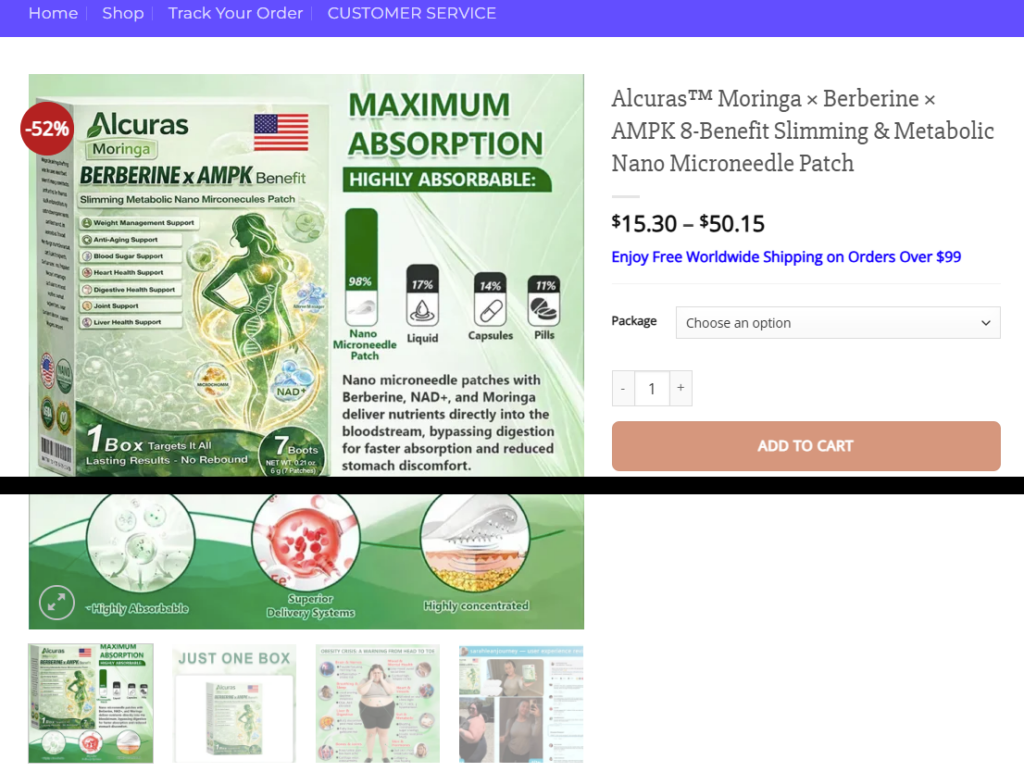
What Is the Alcuras Moringa Berberine AMPK Patch
The Alcuras Moringa Berberine AMPK Patch is sold online as a transdermal or nano microneedle patch that’s supposed to deliver moringa extract, berberine, and other metabolic boosters through the skin to activate AMPK — a cellular energy sensor often linked to metabolism and weight regulation. Vendors claim this bypasses digestion and makes weight loss effortless.
However the marketing claims lack transparency and credible evidence. Researchers and consumer watchdogs have flagged significant red flags, including unverified endorsements and exaggerated promises.
Why Consumers Are Skeptical
Unrealistic Weight-Loss Claims
Advertised outcomes like dramatic fat loss, appetite suppression, and instant metabolism resets are extremely ambitious with no published clinical studies supporting them. The body’s metabolism is complex, and substantial changes typically require consistent lifestyle shifts.
Lack of Verifiable Evidence
Despite claims of clinical validation and doctor recommendations, there are no published peer-reviewed human studies confirming this patch actually delivers sufficient doses of active ingredients or produces measurable metabolic changes.
Vague “Regulatory” Language
Phrases like “FDA compliant manufacturing” often refer only to facility standards and do not mean FDA approval for safety or effectiveness. Genuine medical products require rigorous trials and clear regulatory approvals.
Reused Marketing Across Brands
Similar microneedle patches under different brand names (e.g., Surgonix, GFOUK, Glorenda) share identical promises and web strategies, suggesting the same underlying products are being relaunched repeatedly with fresh marketing.
What Science Actually Says
Transdermal Delivery Limitations
Transdermal patches have proven effective for certain small molecules (like nicotine or hormones), but delivering large, complex compounds like berberine through the skin in meaningful doses is scientifically challenging and unproven in the context of weight loss. Independent analyses consistently conclude that patches cannot reliably deliver enough active ingredients to produce metabolic changes.
Berberine Research
Berberine has been studied orally with modest effects on glucose metabolism and body weight in some controlled settings. A 2025 research review summarized its potential anti-obesity effects and mechanisms, while also highlighting bioavailability challenges.
However, this evidence does not translate into proof that a microneedle patch can replicate these effects in real use.
No FDA-Approved Weight-Loss Patches
To date, no transdermal patch has been approved by the U.S. FDA specifically for weight management, largely because evidence does not meet regulatory safety and efficacy thresholds.
Red Flags to Watch For
Aggressive Sales Tactics
Steep discounts, countdown timers, and pressure messaging are common with these products — psychological triggers designed to rush purchases before buyers carefully evaluate evidence.
Stock Photos and Generic Reviews
Reused or stock images, celebrity-style testimonials with no verifiable credentials, and glowing reviews often pop up on multiple unrelated domains, which is a hallmark of low-credibility online marketing.
Anonymous Websites
Many domains selling these patches are newly registered with privacy protection, showing limited traffic and questionable trust scores. This can indicate a lack of accountability if issues arise
Frequently Asked Questions
What is the Alcuras Moringa Berberine AMPK Patch for?
It’s marketed as a wearable patch aimed at weight loss, metabolic boost, and sugar control — but these claims are not backed by verifiable studies.
Does it work for weight loss?
No credible scientific evidence shows this patch produces meaningful weight loss or metabolic changes.
Is it FDA approved?
No, it is not approved as a drug or weight-loss treatment by major regulatory authorities like the FDA.
Can berberine be effectively delivered through the skin?
There’s no proof that the patch delivers therapeutic levels of berberine or other bioactives through transdermal absorption. Oral berberine has modest evidence in research, but absorption remains a challenge.
Are the testimonials real?
Most testimonials on sales pages are unverified and likely incentivized or fabricated.
Real Alternatives That Work
If your goal is sustainable weight management and better metabolic health, evidence-based strategies show results:
Balanced Nutrition
Focus on whole foods, balanced macronutrients, and caloric awareness guided by registered dietitians.
Regular Physical Activity
Consistent movement improves metabolism and long-term weight control.
Clinically Proven Medications
In some cases, FDA-approved drugs under medical supervision (like GLP-1 agonists) are effective and supported by robust research.
Healthcare Consultation
Always discuss major health or weight-loss plans with a qualified professional to tailor safe and effective strategies.
Final Verdict
The Alcuras Moringa Berberine AMPK Patch is marketed with big promises but lacks scientific evidence, transparent clinical data, and regulatory confirmation. The heavy reliance on aggressive marketing and unverifiable claims strongly suggests this product should be treated with caution. Consumers seeking real results should prioritize proven lifestyle strategies, professional guidance, and validated treatments.
Related Scam Alerts and Review
- Gluco Force Drops Review
- Flmpanel.com Scam Review
- Ethan & Lara Jewelry Closing Sale Scam
- Missy USA Bags Review
- Folex.pro Crypto Scam Review:
- Winterbeside.com Review
- Tishscully.com Review:
- Kamoxe.com Review: