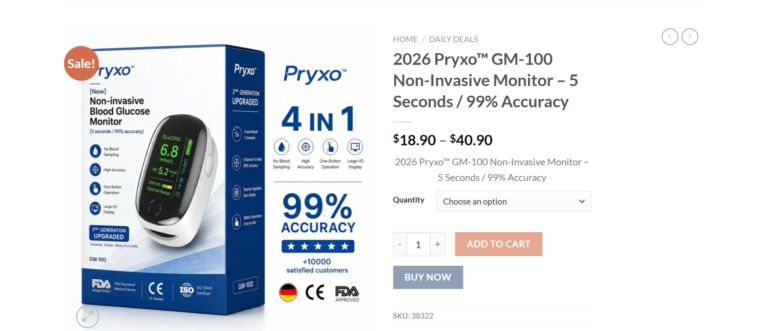
Shopping online has never been easier, but it has also become more challenging to separate genuine customer feedback from fake or misleading reviews. While many reviews are honest and helpful, some are written to artificially boost sales or unfairly damage a competitor’s reputation.
Knowing how to identify fake product reviews can help you make smarter purchasing decisions, avoid scams, and save money. This guide explains the common warning signs of fake reviews and practical steps you can take before buying online.
Why Fake Product Reviews Matter
Online reviews influence millions of purchasing decisions every day. Unfortunately, some dishonest sellers use fake reviews to make low-quality products appear trustworthy.
Fake reviews can:
- Convince buyers to purchase poor-quality products.
- Hide serious defects or safety concerns.
- Create false confidence in unreliable sellers.
- Manipulate product rankings on shopping websites.
The U.S. Federal Trade Commission (FTC) warns businesses against deceptive endorsements and fake reviews because they can mislead consumers.
10 Warning Signs of Fake Product Reviews
1. Every Review Is Perfect
Be cautious if nearly every review gives the product five stars without mentioning any disadvantages.
Authentic customers usually discuss both the pros and cons.
Suspicious Example
“Absolutely perfect! Best purchase ever!”
More Authentic Example
“The sound quality is excellent, but I wish the battery lasted longer.”
Balanced reviews are generally more trustworthy.
2. Hundreds of Reviews Appear Overnight
Look at the review dates.
If dozens or hundreds of glowing reviews were posted within a very short period, they may have been purchased or generated in bulk.
Organic reviews usually accumulate gradually over weeks or months.
3. Reviews Are Too Generic
Fake reviews often lack useful information.
Examples include:
- Great product!
- Amazing!
- Love it!
- Highly recommended!
Real buyers usually explain:
- How they used the product
- What they liked
- What disappointed them
- Whether they would buy it again
4. Repeated Words and Phrases
If several reviews use identical wording, this is a major warning sign.
For example:
- Excellent quality and value.
- Excellent quality and value.
- Excellent quality and value.
This repetition may indicate copied or automated reviews.
5. Reviewer Profiles Look Suspicious
When possible, click on the reviewer’s profile.
Be cautious if the reviewer:
- Has only one review.
- Reviewed dozens of unrelated products in one day.
- Gives only five-star or one-star ratings.
- Uses identical writing across multiple reviews.
6. Extremely Emotional Language
Fake reviews often sound exaggerated.
Examples include:
- “This changed my life forever!”
- “Worst product in history!”
Most genuine reviews are more balanced and realistic.
7. No Verified Purchase Badge
Many marketplaces identify reviews from customers who actually purchased the product.
Although not every genuine review has a “Verified Purchase” badge, verified reviews generally deserve more attention.
8. The Review Doesn’t Match the Product
Sometimes scammers copy reviews from unrelated listings.
Examples include:
- A phone review talking about kitchen appliances.
- A headphone review mentioning shoe sizes.
These inconsistencies should raise concerns.
9. Reviews Ignore Important Details
Real customers often discuss:
- Durability
- Performance
- Packaging
- Customer support
- Delivery experience
Fake reviews usually avoid specific experiences.
10. The Reviews Sound Like Advertisements
Some fake reviews read more like marketing copy than personal experiences.
Examples include:
- Revolutionary technology.
- Premium quality guaranteed.
- Industry-leading performance.
Authentic reviews usually sound more conversational.
Read Negative Reviews Too
Don’t rely only on five-star ratings.
Instead, read:
- Recent five-star reviews
- Three-star reviews
- One-star reviews
If many buyers report the same issue, it is more likely to be genuine.
Compare Reviews Across Multiple Websites
Before buying, compare customer opinions on several trusted platforms.
Helpful websites include:
If reviews vary dramatically between websites, investigate further before purchasing.
Research the Seller
Always spend a few minutes checking the seller.
Look for:
- Company contact information
- Return policy
- Refund policy
- Customer service details
- Years in business
Legitimate businesses are generally transparent about these details.
For additional consumer protection advice, visit the Better Business Bureau (BBB).
Use Review Analysis Tools
Several online tools can help identify suspicious review patterns.
Popular options include:
These tools analyze review behavior and may help identify potentially unreliable reviews. They should be used as one source of information rather than the sole basis for your decision.
Additional Online Shopping Safety Tips
To reduce your chances of being scammed:
- Buy from reputable retailers whenever possible.
- Avoid prices that seem unusually low.
- Read the return policy before purchasing.
- Use secure payment methods such as credit cards or trusted payment services.
- Avoid sellers that request payment by cryptocurrency, gift cards, or wire transfers.
- Check whether the website uses HTTPS encryption before entering payment information.
The Federal Trade Commission’s online shopping guidance provides additional tips for shopping safely online.
What to Do If You Discover Fake Reviews
If you suspect fake reviews:
- Report them through the shopping platform.
- Leave an honest review if you purchased the product.
- Contact the retailer if the product was misrepresented.
- If you believe you’ve been scammed, report the incident to your local consumer protection agency.
Frequently Asked Questions
Can fake reviews be removed?
Yes. Many shopping websites investigate reports of fake or misleading reviews and may remove reviews that violate their policies.
Are all five-star reviews fake?
No. Many are genuine. Focus on the quality, detail, and consistency of reviews rather than the rating alone.
Should I trust verified purchase reviews?
Verified Purchase reviews are generally more reliable because they indicate the reviewer purchased the product through the platform, but they should still be evaluated critically.
Is it safe to buy products with very few reviews?
Not necessarily unsafe, but it’s wise to research the seller, compare similar products, and ensure there is a clear return policy before buying.
Final Thoughts
Fake product reviews continue to be a challenge for online shoppers, but a little research can go a long way. By looking for balanced, detailed feedback, checking reviewer credibility, comparing reviews across multiple trusted websites, and researching the seller, you can make more informed purchasing decisions and reduce the risk of buying low-quality or misrepresented products.
Always remember that no single review tells the whole story. Looking at the overall pattern of customer feedback and verifying information from trusted sources will help you shop with greater confidence.
Related Articles
- How to Stay Safe When Shopping for Supplements Online
- How to Spot Fake Supplement Websites
- Dietary Supplements: What You Should Know Before Buying
- Understanding Weight Loss Supplement Claims
- Tips for Choosing Safe and Reputable Health Supplements
- Slim Metrix Supplement Review
- Gluco Tonic Drops Review
- How to Choose Safe and Reputable Wireless Earbuds
- Online Shopping Safety Tips