
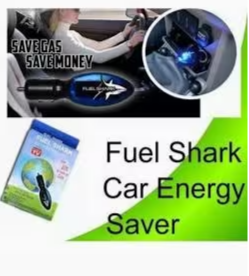
Many drivers want to reduce rising fuel costs, and online ads for gadgets like the One Socket Fuel Saver (sometimes sold under names like NeoSocket, Fuel Shark, FuelSync, or similar) promise easy fuel savings. These products claim that by simply plugging them into your vehicle’s 12‑volt socket, you can instantly improve fuel economy, increase horsepower, and cut emissions.
But do they work? This in‑depth review breaks down the science, examines real user experiences, looks at expert investigations, and explains why many experts and reviewers consider such devices ineffective or misleading.
What Is the One Socket Fuel Saver?
The One Socket Fuel Saver is marketed as a plug‑and‑play device you insert into your car’s cigarette lighter or 12V power outlet. Marketing materials typically claim:
- Improved fuel economy (sometimes up to 20–50%)
- Better engine performance
- Increased mileage per gallon
- Reduced emissions
Despite these promises, the device itself does not connect to engine control systems or fuel injectors — it simply draws power from the vehicle’s electrical system.
Expert Reviews and Scientific Analysis:
Fuel Saver Devices Generally Do Not Work
According to independent analysis by Cartrack, most fuel‑saving gadgets fail to deliver measurable improvements. Their article explains that many products in this category are based on unfounded scientific claims and do not offer real fuel savings.
Industry and engineering sources also show that fuel economy depends on factors such as engine design, aerodynamics, driving habits, and vehicle maintenance — not tiny plug‑in gadgets.
NeoSocket and Similar Devices Have Been Discredited
A detailed review of NeoSocket and Fuel Shark‑style plug‑in devices found that their internal components are extremely basic — typically a capacitor, resistors, and an LED light — and are incapable of influencing fuel consumption or engine performance.
In tests where these devices were installed on real vehicles, researchers found no improvement in fuel economy, and in some cases, fuel efficiency slightly worsened.
What Independent Tests Reveal:
Electrical Components Are Too Simple
In teardown reviews, devices sold under names like NeoSocket or Fuel Shark were found to contain only simple electrical parts that cannot interact with a vehicle’s engine control module (ECM) or combustion system.
Without access to the engine sensors, injection timing, or air‑fuel mixture controls, these devices have no plausible mechanism to improve efficiency.
Misleading Marketing Tactics
Many plug‑in “fuel savers” use exaggerated claims and pseudo‑scientific language that sound convincing but lack verifiable evidence. This includes statements about “realigning fuel molecules” or “optimizing electrical performance,” which are not supported by automotive engineering principles.
Real User Reports and Forums:
Discussions on automotive forums and community boards (including Reddit) show a strong consensus: many users who bought plug‑in fuel saver gadgets saw no measurable change in mileage or performance. Some users described these devices as essentially decorative, providing only a blinking light with no effect on the vehicle’s operation.
In some cases, drivers reported that mileage measurements actually stayed the same or deteriorated slightly after installation, further undermining the device’s claims.
Why These Products Keep Appearing:
Despite the lack of scientific support, fuel saver plug‑in devices remain common online because:
- They target a widespread desire to save money on fuel
- Low production cost and high markup make them profitable
- Scammers use aggressive advertising and limited‑time offers
- Generic device designs can be rebranded multiple times
Some websites selling these products even display “trust scores” or screenshots of reviews that are not independently verified, which can mislead buyers into thinking the product is trustworthy.
Proven Ways to Save Fuel:
Rather than relying on plug‑in gadgets, drivers should focus on methods that are known to improve fuel efficiency:
- Maintain proper tire pressure
- Avoid rapid acceleration and frequent hard braking
- Keep the engine well‑tuned and regularly serviced
- Reduce excess weight in the vehicle
- Use the recommended grade of fuel
These strategies are backed by automotive experts and real‑world testing.
Final Verdict: Is One Socket Fuel Saver Worth It?
Based on expert analysis, independent tests, and user reports:
- Plug‑in fuel saver devices do not produce measurable fuel savings
- They lack the necessary technology to influence engine performance
- Their marketing relies on vague, unverified claims
- Many users report no benefit beyond a decorative light
In summary, devices like the One Socket Fuel Saver are widely considered ineffective and not a worthwhile purchase.
Read our complete product reviews here to know more about scam products.