
Introduction
The Richard and Debbie Nuttall email scam is a deceptive advance-fee fraud campaign that uses the identity of real lottery winners to trick people into sending money or sharing personal data. The names are real, the emails are not.
This scam is part of a broader category of lottery and donation frauds that continue to circulate globally through email, messaging apps, and social media.
If you received a message claiming you were selected for a donation, this breakdown explains exactly how it works and how to shut it down fast.
What Is the Richard and Debbie Nuttall Email Scam?
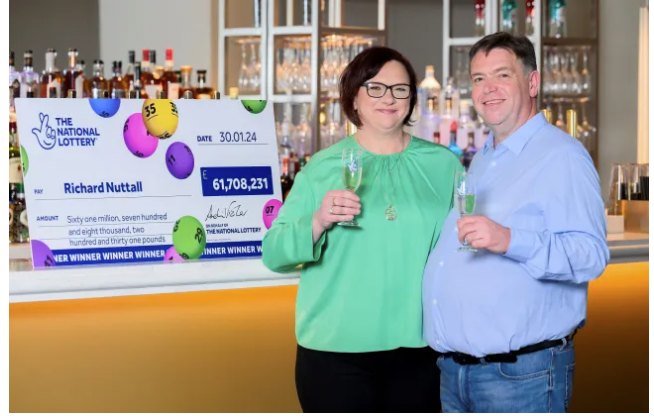
This scam impersonates Richard and Debbie Nuttall, a UK couple who won a major EuroMillions jackpot. Fraudsters exploit their public story to create fake emails offering “financial donations” to random individuals.
The message usually claims:
- You have been selected for a donation
- You are lucky beneficiary of a lottery wealth distribution
- You must respond quickly to claim funds
There is no verified donation program connected to them.
This is a classic advance-fee fraud model, where victims are slowly pressured into paying fake processing costs.
How the Scam Works (Step-by-Step)
1. Unsolicited Contact
You receive an email from an unknown sender claiming to represent the Nuttalls or a “wealth distribution team.”
2. Emotional Framing
The message is designed to sound generous, often mentioning charity, blessings, or life-changing opportunities.
3. Fake Reward Promise
Victims are told they will receive large sums such as:
- £100,000
- £500,000
- £1,000,000 or more
4. Data Harvesting
Scammers request:
- Full name
- Address
- Phone number
- Banking details
5. Upfront Payment Request
Before releasing funds, victims are told to pay:
- Processing fees
- Legal clearance fees
- Tax clearance charges
6. Continuous Extortion Cycle
After the first payment, additional fees appear. The cycle continues until the victim stops or realizes the fraud.
Why This Scam Works So Well
This scam is not random. It is engineered using psychological manipulation.
Real Identity Exploitation
The scammers use real lottery winners to build instant trust.
Emotional Pressure
The message targets financial stress and hope for sudden relief.
Scarcity and Urgency
Victims are told the offer is limited or time-sensitive.
Low Entry Cost Trick
Small initial fees feel harmless, making victims more likely to comply again.
According to the Federal Bureau of Investigation, advance-fee fraud remains one of the most reported cybercrime categories globally through its IC3 system.
Red Flags You Should Never Ignore
If you see any of these, treat it as a scam immediately:
- Unsolicited money offers
- Requests for upfront payment
- Generic greetings like “Dear Beneficiary”
- Suspicious or random email domains
- Requests for banking or identity details
- Pressure to act quickly
Legitimate organizations never require payment to release funds.
Is There Any Legitimate Nuttall Donation Program?
No.
There is no official donation campaign operated by Richard and Debbie Nuttall that contacts individuals through email or social media.
Any such claim is fraudulent.
For reference, real cybersecurity warnings about similar scams are regularly published by:
- National Cyber Security Centre
https://www.ncsc.gov.uk - Action Fraud
https://www.actionfraud.police.uk - Internet Crime Complaint Center
https://www.ic3.gov
What To Do If You Receive This Email
Take immediate action:
- Do not reply
- Do not click links or attachments
- Do not send money
- Mark as spam
- Delete the email
- Report it to your email provider
What To Do If You Already Engaged With It
If you responded or shared details:
- Contact your bank immediately if money was sent
- Freeze or monitor accounts
- Change all passwords
- Enable two-factor authentication
- Run a full antivirus scan
- Report the fraud to authorities
Speed matters. Early reporting increases recovery chances.
How to Protect Yourself From Similar Scams
- Treat unsolicited financial offers as suspicious by default
- Never pay fees to receive money
- Verify claims through official websites
- Use spam filters and security tools
- Stay updated on cybercrime trends
- Avoid clicking unknown email links
Frequently Asked Questions (FAQs)
Is the Richard and Debbie Nuttall email scam real?
Yes. The scam exists, but the emails are fake and not connected to the real individuals.
Are Richard and Debbie Nuttall real people?
Yes. They are legitimate EuroMillions lottery winners. However, scammers misuse their identity.
Why do scammers use lottery winners?
Because real winners create instant trust, which lowers suspicion and increases victim response rates.
Can I really get money from random email donations?
No. Legitimate donations are never distributed through unsolicited emails asking for fees or personal data.
What happens if I reply to the email?
You may become a targeted victim for further scams or identity theft attempts.
What if I already paid the scammer?
Stop contact immediately, inform your bank, and report the incident to:
- Internet Crime Complaint Center
https://www.ic3.gov - Action Fraud
https://www.actionfraud.police.uk
Can scammers hack my bank account?
Not directly. But if you share sensitive details, they can attempt unauthorized access or impersonation fraud.
How do I confirm an email is fake?
Check sender domain, look for payment requests, and verify through official cybersecurity portals like the National Cyber Security Centre.
Why do scammers ask for small fees first?
Small fees reduce suspicion and make victims more likely to continue paying larger amounts.
How do I report this scam quickly?
Use official reporting platforms:
Final Verdict
The Richard and Debbie Nuttall email scam is a structured advance-fee fraud operation built on psychological manipulation and identity misuse.
There is no legitimate financial giveaway. Any email requesting payment to release funds is a scam by default.
Best response strategy:
Ignore. Delete. Report.
Related Scam Alerts and Review
- Beware the “Sent You Some Files Via Smash” Email Scam
- 646 Area Code Phone Scams
- WA DOL Final Notice Vehicle Violation Scam
